
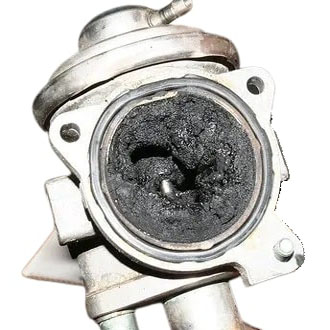
Imagine your car is a runner, sprinting down the road. Now imagine someone's slowly tightening a scarf around their neck, making it harder and harder to breathe. That's kind of what a malfunctioning EGR valve does to your engine. It chokes it, reduces performance, and can lead to a whole host of other problems.
Suddenly noticing your car sputtering, struggling to accelerate, or guzzling gas like there's no tomorrow? Maybe the check engine light is glaring at you, mocking your commute. These are the kinds of issues that can really throw a wrench in your day, leaving you stressed and wondering what's wrong and how much it's going to cost to fix.
This article will dive deep into the world of EGR (Exhaust Gas Recirculation) valves. We'll explore what they do, how they fail, the symptoms of a failing EGR valve, and, most importantly, how to diagnose and fix the problem. We'll equip you with the knowledge to understand your car's woes and make informed decisions about its repair, potentially saving you time, money, and a whole lot of frustration.
In short, we'll cover the function of the EGR valve, common failure symptoms like rough idling and decreased fuel economy, and methods for diagnosing and fixing the issue, including cleaning or replacement. We'll also touch on the potential consequences of ignoring EGR valve problems, such as increased emissions and potential engine damage. Whether you're a seasoned mechanic or a car owner simply trying to understand what's going on under the hood, this guide will provide valuable insights into the world of EGR valves and their impact on your vehicle's performance.
What is an EGR Valve and What Does it Do?
I remember once, back when I was just starting to learn about cars, I heard someone talking about an EGR valve and I just nodded along, pretending I knew exactly what they meant. Secretly, I was picturing some tiny little gnome inside the engine, diligently recycling exhaust fumes. Needless to say, I was a little off! The reality is much more interesting, and far less whimsical. The EGR valve, in its essence, is an emissions control device. Its primary job is to reduce the amount of nitrogen oxides (NOx) released into the atmosphere. NOx are harmful pollutants that contribute to smog and respiratory problems, so controlling them is a big deal. The EGR valve achieves this by recirculating a portion of the engine's exhaust gas back into the intake manifold. This might sound counterintuitive – why would you want to put dirty exhaust back into the engine? Well, the exhaust gas is inert, meaning it doesn't readily burn. When mixed with the incoming air-fuel mixture, it lowers the combustion temperature inside the cylinders. This lower temperature significantly reduces the formation of NOx. It's like adding water to a fire to cool it down. The EGR valve is typically controlled by the engine control unit (ECU), which opens and closes the valve based on various factors such as engine temperature, load, and speed. This ensures that the EGR system operates efficiently and effectively, minimizing emissions without negatively impacting engine performance. A properly functioning EGR valve is crucial for both environmental protection and maintaining optimal engine operation. Think of it as the unsung hero of your car's emissions system, quietly working to keep our air cleaner.
Common Symptoms of EGR Valve Problems
Okay, so your EGR valve isn't working perfectly. What's that actually feel like when you're driving? The symptoms can vary, and sometimes they can mimic other engine problems, which is why it's important to consider all the possibilities. One of the most common symptoms is a rough or unstable idle. When the EGR valve is stuck open, it allows too much exhaust gas to enter the intake manifold at idle, disrupting the air-fuel mixture and causing the engine to stumble or shake. You might also notice a decrease in fuel economy. A malfunctioning EGR valve can throw off the engine's air-fuel ratio, leading to inefficient combustion and increased fuel consumption. Your car might also experience hesitation or stumbling during acceleration. This happens because the EGR valve isn't opening or closing properly, causing a disruption in the flow of exhaust gas and affecting the engine's ability to respond to changes in throttle position. The dreaded "check engine" light is another telltale sign. The ECU monitors the EGR system, and if it detects a problem, it will illuminate the check engine light and store a diagnostic trouble code (DTC) related to the EGR valve. Depending on the severity of the issue, you might also notice a sulfur smell from the exhaust. This is more common in diesel engines and can indicate a buildup of soot and other contaminants in the EGR system. If you're experiencing any of these symptoms, it's definitely worth investigating the EGR valve to see if it's the culprit. Ignoring these symptoms can lead to further engine damage and costly repairs down the road.
The History and Myths Surrounding EGR Valves
The EGR valve wasn't just invented overnight. It has a history rooted in the growing awareness of air pollution and the need to reduce harmful emissions from vehicles. The technology started gaining traction in the 1970s as governments began implementing stricter emission standards. Automakers were forced to find ways to reduce pollutants like NOx, and the EGR valve emerged as a relatively simple and effective solution. Early EGR systems were fairly basic, often relying on vacuum to control the valve's operation. As technology advanced, EGR systems became more sophisticated, incorporating electronic controls and feedback sensors to optimize their performance. There are also a few myths surrounding EGR valves. One common misconception is that EGR valves reduce engine performance. While it's true that recirculating exhaust gas can slightly reduce the amount of oxygen available for combustion, modern EGR systems are designed to minimize any performance impact. The ECU carefully controls the EGR valve's operation to ensure that it only opens when it's beneficial for emissions control. Another myth is that EGR valves are only necessary for older vehicles. While it's true that emissions standards have become more stringent over time, EGR valves are still used in many modern vehicles. They play a crucial role in meeting today's strict emission requirements and reducing the environmental impact of cars and trucks. It's important to separate fact from fiction when it comes to EGR valves. They are an important part of your vehicle's emissions control system and contribute to cleaner air. Understanding their history and dispelling common myths can help you appreciate their significance and the role they play in protecting our environment.
Hidden Secrets of the EGR Valve
While the basic function of the EGR valve is well-understood, there are some less obvious aspects that many people aren't aware of. For example, the location of the EGR valve can vary depending on the vehicle. It's typically located somewhere near the intake manifold, but its exact placement can depend on the engine design and the manufacturer. Another hidden secret is the variety of EGR valve designs. Some EGR valves are pneumatically controlled, relying on vacuum to operate, while others are electronically controlled, using an electric motor to open and close the valve. There are also different types of EGR systems, such as cooled EGR systems, which cool the exhaust gas before it's recirculated. This further reduces NOx emissions by lowering the temperature of the combustion process. One of the most surprising secrets of the EGR valve is its ability to improve fuel economy in certain situations. By recirculating exhaust gas, the EGR valve reduces the engine's pumping losses, which are the energy required to draw air into the cylinders. This can lead to a slight improvement in fuel economy, especially at part-throttle conditions. The EGR valve also plays a role in preventing engine knocking. By lowering the combustion temperature, it reduces the likelihood of pre-ignition, which is a major cause of engine knocking. The EGR valve is a complex and multifaceted device that plays a crucial role in both emissions control and engine performance. Understanding its hidden secrets can help you appreciate its importance and the ingenuity of its design. It's more than just a simple valve; it's a key component in the quest for cleaner and more efficient vehicles.
Recommendation for EGR Valve Maintenance
Just like any other part of your car, the EGR valve benefits from regular maintenance. Neglecting it can lead to problems and potentially shorten its lifespan. One of the most important maintenance tasks is to periodically inspect the EGR valve for carbon buildup. Over time, the valve can become clogged with soot and other deposits, which can restrict its movement and affect its performance. You can inspect the EGR valve by removing it from the engine and visually examining it. If you notice significant carbon buildup, you can clean the valve using a specialized EGR valve cleaner or a carburetor cleaner. Be sure to follow the instructions on the cleaner and wear appropriate safety gear, such as gloves and eye protection. Another important maintenance tip is to check the EGR valve's vacuum lines or electrical connections. Make sure the lines are securely connected and free from cracks or leaks. For electronically controlled EGR valves, check the wiring and connectors for damage or corrosion. Regularly replacing your air filter can also help prevent EGR valve problems. A dirty air filter can restrict airflow to the engine, which can cause the EGR valve to work harder and become more prone to clogging. Consider using a fuel additive that is designed to clean and protect the EGR system. These additives can help prevent carbon buildup and keep the EGR valve operating smoothly. By following these simple maintenance tips, you can extend the life of your EGR valve and keep your engine running efficiently. Regular maintenance is a small price to pay for the peace of mind knowing that your EGR system is working properly and contributing to cleaner air.
Diagnosing EGR Valve Problems: A Step-by-Step Guide
So, you suspect your EGR valve might be acting up. How do you know for sure? Fortunately, there are several diagnostic steps you can take to pinpoint the problem. Start by visually inspecting the EGR valve. Look for any signs of damage, such as cracks, leaks, or broken components. Check the vacuum lines or electrical connections to make sure they are secure and in good condition. If you have access to a scan tool, you can use it to check for diagnostic trouble codes (DTCs) related to the EGR valve. These codes can provide valuable information about the nature of the problem. Some scan tools can also perform EGR valve tests, which allow you to command the valve to open and close and monitor its response. This can help you determine if the valve is functioning properly. You can also use a vacuum gauge to test the EGR valve's vacuum signal. Disconnect the vacuum line from the EGR valve and connect the gauge to the line. Start the engine and observe the vacuum reading. The reading should change as the engine speed increases, indicating that the EGR valve is receiving the proper vacuum signal. If you don't have access to specialized tools, you can still perform some basic tests. For example, you can try tapping on the EGR valve with a wrench while the engine is running. Sometimes, this can dislodge carbon deposits and temporarily restore the valve's function. If you suspect that the EGR valve is clogged, you can try cleaning it with a carburetor cleaner or EGR valve cleaner. Remove the valve from the engine and spray the cleaner into the valve openings. Let it soak for a few minutes, then use a brush or scraper to remove any loose deposits. By following these diagnostic steps, you can narrow down the cause of your EGR valve problems and determine the best course of action. Whether it's a simple cleaning or a full replacement, proper diagnosis is the key to getting your engine running smoothly again.
Tips and Tricks for Dealing with EGR Valve Issues
Dealing with EGR valve problems can be frustrating, but there are some tips and tricks that can make the process easier. First, always use the correct replacement parts. When replacing an EGR valve, make sure you get the correct part number for your vehicle. Using the wrong part can cause performance problems or even damage your engine. Clean the EGR valve mounting surface before installing a new valve. This will ensure a good seal and prevent leaks. Apply a thin layer of anti-seize compound to the EGR valve mounting bolts. This will make it easier to remove the valve in the future. When cleaning the EGR valve, be careful not to damage the valve's diaphragm or electrical components. Use a soft brush and avoid using harsh chemicals that could harm the valve. If you're having trouble removing a stuck EGR valve, try using a penetrating oil. Spray the oil around the valve's mounting bolts and let it soak for a few minutes. This can help loosen the bolts and make them easier to remove. Consider using a fuel additive that is designed to clean and protect the EGR system. These additives can help prevent carbon buildup and keep the EGR valve operating smoothly. If you're not comfortable working on your car yourself, take it to a qualified mechanic. A mechanic can diagnose the problem and repair it correctly. Finally, remember that prevention is always better than cure. Regularly inspect your EGR valve and perform routine maintenance to keep it in good condition. By following these tips and tricks, you can make dealing with EGR valve problems a little less stressful and keep your engine running smoothly.
Understanding EGR Valve Codes: What They Mean
If your check engine light is on and you've pulled a code related to the EGR valve, understanding what that code means is crucial for effective diagnosis and repair. Here's a breakdown of some common EGR valve codes: P0400: EGR Flow Malfunction. This is a general code that indicates a problem with the EGR system's flow. It could be caused by a clogged EGR valve, a faulty EGR solenoid, or a problem with the vacuum lines. P0401: EGR Flow Insufficient Detected. This code means that the ECU is not detecting enough EGR flow. It could be caused by a clogged EGR valve, a faulty EGR solenoid, or a problem with the EGR passages. P0402: EGR Flow Excessive Detected. This code means that the ECU is detecting too much EGR flow. It could be caused by a stuck-open EGR valve, a faulty EGR solenoid, or a problem with the EGR passages. P0403: EGR Circuit Malfunction. This code indicates a problem with the electrical circuit that controls the EGR valve. It could be caused by a faulty EGR solenoid, a broken wire, or a problem with the ECU. P0404: EGR Circuit Range/Performance. This code means that the EGR valve's electrical circuit is not performing within the expected range. It could be caused by a faulty EGR solenoid, a corroded connector, or a problem with the ECU. P0405: EGR Sensor A Circuit Low. This code indicates a problem with the EGR sensor's circuit. It could be caused by a faulty sensor, a broken wire, or a problem with the ECU. These are just a few of the common EGR valve codes you might encounter. Consult your vehicle's repair manual for a complete list of codes and their meanings. Remember that a code is just a starting point for diagnosis. You'll need to perform further testing to pinpoint the exact cause of the problem. With a little knowledge and some careful troubleshooting, you can get your EGR system back in shape and keep your engine running smoothly.
Fun Facts About EGR Valves
Believe it or not, there are some pretty interesting and fun facts about EGR valves that you might not know. For example, did you know that the EGR valve was first introduced in the United States in the early 1970s as a response to the Clean Air Act? This legislation mandated stricter emission standards for vehicles, and the EGR valve was one of the first technologies developed to meet these requirements. Another fun fact is that the EGR valve can operate in extreme temperatures. The exhaust gas that passes through the valve can be extremely hot, reaching temperatures of hundreds of degrees Fahrenheit. The EGR valve must be able to withstand these temperatures without failing. The EGR valve is also a surprisingly simple device. Despite its important function, the EGR valve is relatively simple in design, consisting of a valve, a diaphragm, and a vacuum or electrical actuator. This simplicity makes it relatively reliable and easy to repair. The EGR valve is also used in a variety of different types of engines, including gasoline engines, diesel engines, and even some hybrid engines. Its versatility makes it a valuable tool for reducing emissions in a wide range of vehicles. The EGR valve can also improve fuel economy in certain situations. By reducing the engine's pumping losses, the EGR valve can help to improve fuel efficiency, especially at part-throttle conditions. These fun facts highlight the importance and versatility of the EGR valve. It's a small but mighty component that plays a crucial role in reducing emissions and protecting the environment. Next time you're driving, take a moment to appreciate the humble EGR valve and its contribution to cleaner air.
How to Clean Your EGR Valve
Cleaning your EGR valve can often restore its functionality and save you the cost of a replacement. Here's a step-by-step guide on how to do it: First, gather your supplies. You'll need a socket set, a wrench set, a carburetor cleaner or EGR valve cleaner, a soft brush, a scraper, gloves, and eye protection. Locate the EGR valve. It's typically located near the intake manifold, but consult your vehicle's repair manual for the exact location. Disconnect the vacuum lines or electrical connections from the EGR valve. Be careful not to damage the lines or connectors. Remove the EGR valve from the engine. This usually involves removing a few bolts or nuts. Be sure to note the orientation of the valve so you can reinstall it correctly. Inspect the EGR valve for carbon buildup. If the valve is heavily clogged, you may need to soak it in carburetor cleaner overnight. Spray the EGR valve cleaner into the valve openings. Let it soak for a few minutes, then use a soft brush or scraper to remove any loose deposits. Be careful not to damage the valve's diaphragm or electrical components. Rinse the EGR valve with clean water and allow it to dry completely. Reinstall the EGR valve onto the engine. Be sure to use a new gasket if necessary. Reconnect the vacuum lines or electrical connections to the EGR valve. Start the engine and check for leaks. If everything looks good, you're done! Cleaning your EGR valve can be a messy job, but it's a relatively simple process that can save you money and improve your engine's performance. If you're not comfortable working on your car yourself, take it to a qualified mechanic.
What If You Ignore EGR Valve Problems?
Ignoring EGR valve problems might seem like a way to save money in the short term, but it can lead to serious consequences down the road. One of the most immediate consequences is decreased engine performance. A malfunctioning EGR valve can cause rough idling, hesitation during acceleration, and a general lack of power. This can make your car less enjoyable to drive and potentially unsafe in certain situations. Another consequence of ignoring EGR valve problems is reduced fuel economy. A faulty EGR valve can throw off the engine's air-fuel ratio, leading to inefficient combustion and increased fuel consumption. This can cost you money at the gas pump and increase your vehicle's emissions. Ignoring EGR valve problems can also lead to increased emissions. The EGR valve is designed to reduce NOx emissions, which are harmful pollutants that contribute to smog and respiratory problems. If the EGR valve is not working properly, your car will emit more NOx, which can harm the environment and potentially lead to fines or penalties. In severe cases, ignoring EGR valve problems can lead to engine damage. A clogged or malfunctioning EGR valve can cause excessive carbon buildup in the engine, which can damage pistons, valves, and other critical components. This can result in costly repairs or even engine replacement. Finally, ignoring EGR valve problems can cause your car to fail an emissions test. Many states require vehicles to pass an emissions test to ensure that they are not polluting the environment excessively. If your EGR valve is not working properly, your car may fail the test, which can prevent you from registering or operating your vehicle. The bottom line is that ignoring EGR valve problems is not a good idea. It can lead to a variety of problems, including decreased engine performance, reduced fuel economy, increased emissions, engine damage, and failure to pass an emissions test. It's always best to address EGR valve problems promptly to avoid these negative consequences.
Listicle: Top 5 Reasons Your EGR Valve Might Be Failing
Here's a quick rundown of the top 5 reasons why your EGR valve might be giving you trouble: 1. Carbon Buildup: This is the most common culprit. Over time, carbon deposits from exhaust gas can accumulate inside the EGR valve, restricting its movement and affecting its performance.
2. Faulty EGR Solenoid: The EGR solenoid controls the flow of vacuum to the EGR valve. If the solenoid is faulty, it may not be able to properly open or close the valve.
3. Vacuum Line Leaks: Vacuum lines are used to control the EGR valve. If there are any leaks in the vacuum lines, it can affect the valve's operation.
4. Damaged EGR Valve Diaphragm: The EGR valve diaphragm is a flexible membrane that moves the valve. If the diaphragm is damaged, it may not be able to properly open or close the valve.
5. Electrical Problems: Electronically controlled EGR valves rely on electrical signals to operate. If there are any electrical problems, such as a faulty wiring or a bad connection, it can affect the valve's operation. Knowing these common causes can help you troubleshoot EGR valve problems more effectively. By understanding the potential issues, you can better diagnose the problem and take the appropriate steps to repair it.
Question and Answer
Here are some common questions about EGR valves, along with their answers:
Q: Can I drive with a bad EGR valve?
A: While youcantechnically drive with a bad EGR valve, it's not recommended. It can lead to reduced engine performance, decreased fuel economy, and increased emissions. In the long run, it can also cause more serious engine damage.
Q: How much does it cost to replace an EGR valve?
A: The cost of replacing an EGR valve can vary depending on the vehicle and the mechanic. Generally, you can expect to pay between $200 and $500 for parts and labor.
Q: Can I clean my EGR valve myself?
A: Yes, you can clean your EGR valve yourself with some basic tools and carburetor cleaner. However, it's important to be careful not to damage the valve's diaphragm or electrical components. If you're not comfortable working on your car yourself, it's best to take it to a qualified mechanic.
Q: How often should I replace my EGR valve?
A: There's no set replacement interval for EGR valves. However, it's a good idea to inspect the valve periodically for carbon buildup and to clean it as needed. If the valve is damaged or malfunctioning, it should be replaced.
Conclusion of EGR Valve Problems: Why Your Engine is Choking (And How to Fix It)
Understanding the function, symptoms, and potential solutions for EGR valve issues is crucial for maintaining your vehicle's performance and longevity. From recognizing the signs of a failing valve to knowing when cleaning or replacement is necessary, the knowledge you've gained here empowers you to address these problems proactively. By staying informed and taking timely action, you can keep your engine breathing easy and your car running smoothly for years to come. Remember, a healthy EGR valve is a key component of a healthy engine and a cleaner environment.