
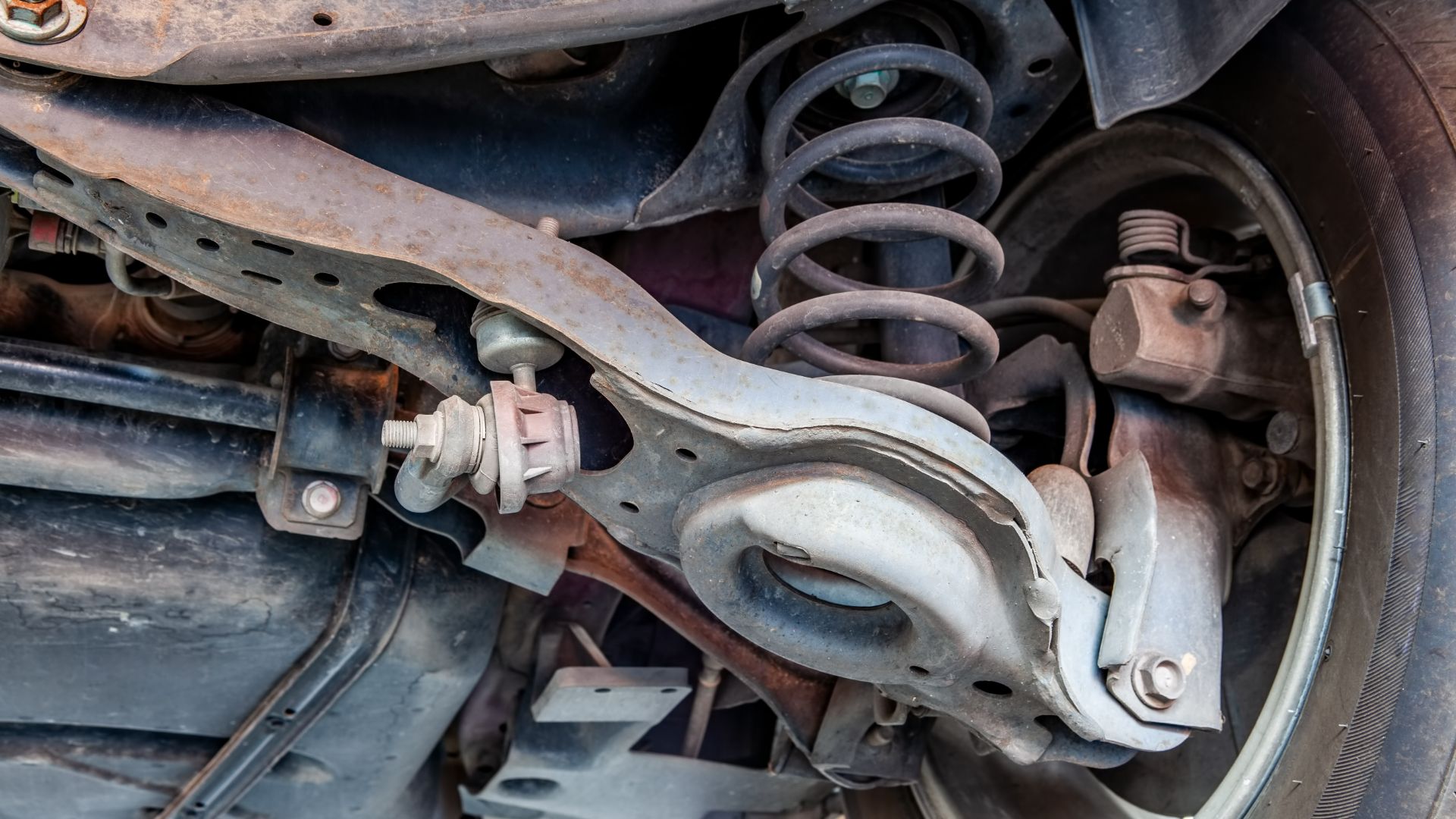
Ever felt like your car's been a little "off" lately? Maybe a weird vibration, a clunking noise, or a steering wheel that seems to have a mind of its own? These subtle signs could be your car whispering – or rather, groaning – about a problem with its control arm bushings. Ignoring these whispers could lead to a shout – a dangerous situation on the road.
Let's face it, nobody wants a car that's difficult to handle, eats through tires, or makes unsettling noises every time you hit a bump. Ignoring these issues not only makes your daily commute unpleasant but also puts you, your passengers, and other drivers at risk. Plus, the longer you wait, the more expensive the repairs can become.
This article is your guide to identifying the early warning signs of control arm bushing failure. We'll explore six key symptoms that indicate your car might be in trouble, helping you understand what's happening and why it's crucial to address it promptly. Knowing these signs can help you take action before a minor issue turns into a major safety hazard.
We'll cover everything from unusual noises and vibrations to steering instability and uneven tire wear. By recognizing these symptoms, you can take proactive steps to maintain your vehicle's safety and performance. So, let's dive in and learn how to spot the signs of failing control arm bushings before they put you in danger.
Symptom 1: Clunking or Rattling Noises
One sweltering summer afternoon, I was cruising down a backroad, windows down, enjoying the scenery, when I started hearing a distinct "clunk, clunk, clunk" sound coming from the front end of my car. At first, I dismissed it as road noise, but the sound persisted, becoming more pronounced over bumps and potholes. I initially suspected a loose exhaust component, but a quick inspection revealed nothing obvious. A trusted mechanic diagnosed the problem: worn control arm bushings. He explained that these bushings, designed to cushion the suspension and absorb vibrations, had deteriorated over time, allowing the control arms to move excessively and create the unsettling clunking sound. It was a relatively simple fix – replacing the bushings restored the smooth, quiet ride I was used to. More importantly, it prevented further damage to the suspension components and ensured my car handled properly.
Clunking and rattling noises are often the first audible indicators of control arm bushing problems. These noises typically occur when driving over bumps, potholes, or uneven road surfaces. The control arm bushings are designed to absorb shocks and vibrations, preventing them from transferring directly to the vehicle's frame. When these bushings wear out or become damaged, the control arm can move excessively, causing it to make contact with other suspension components. This contact results in a clunking or rattling sound that is easily noticeable, especially at lower speeds. Ignoring these sounds can lead to more significant issues, such as damaged suspension components and compromised handling. Regular inspections can help identify worn bushings early, preventing further damage and ensuring a smoother, safer ride. The materials used in these bushings, typically rubber or polyurethane, degrade over time due to exposure to heat, road salt, and constant stress, making regular checks crucial. Polyurethane bushings offer a longer lifespan and better performance than rubber bushings, but they may transmit more road noise.
Symptom 2: Steering Wandering or Looseness
Steering wander, or looseness, can create a feeling of disconnect between the steering wheel and the front wheels. This symptom arises when the control arm bushings are too worn to maintain the proper alignment of the suspension components. With compromised bushings, the wheels might not respond as accurately to your steering inputs. This can make it harder to keep the vehicle traveling in a straight line, especially at higher speeds or on uneven road surfaces. You could find yourself constantly correcting the steering to stay in your lane, which can be exhausting and potentially dangerous. This situation is particularly hazardous in adverse weather conditions, such as rain or snow, where the road surface offers less grip, and precise steering is crucial for maintaining control. In such circumstances, worn control arm bushings can significantly increase the risk of skidding or losing control of the vehicle. Beyond safety concerns, steering wander can also contribute to uneven tire wear. As the tires struggle to maintain a consistent path, they can wear down faster and more irregularly, leading to premature replacement. By addressing worn control arm bushings promptly, you can restore the vehicle's steering precision, improve handling, and ensure more even tire wear.
Symptom 3: Uneven Tire Wear
The history of control arm bushings is closely tied to the evolution of automotive suspension systems. Early vehicles often used simple suspension designs with limited damping, making them uncomfortable and difficult to handle. As cars became more sophisticated, engineers sought ways to improve ride quality and handling. Control arms, initially simple levers, were introduced to locate the wheels relative to the chassis, and bushings were added to dampen vibrations and reduce noise. Over time, bushing materials and designs have evolved significantly. Early bushings were typically made from basic rubber compounds, which were prone to degradation and wear. Modern bushings may incorporate advanced materials such as polyurethane or specialized synthetic rubbers, offering improved durability and performance. Myths surrounding control arm bushings often involve misconceptions about their lifespan and maintenance. One common myth is that bushings last the lifetime of the vehicle. In reality, bushings are wear items that require periodic inspection and replacement. Another myth is that polyurethane bushings are always superior to rubber bushings. While polyurethane bushings offer increased durability and performance, they can also transmit more road noise and vibration into the cabin. The best choice of bushing material depends on the vehicle's intended use and the driver's preferences.
Symptom 4: Vibration in the Steering Wheel
Here's a little-known secret about control arm bushings: they're often overlooked during routine maintenance. Many drivers and even some mechanics focus primarily on more visible components like brakes and tires, neglecting the condition of the bushings. This oversight can lead to a gradual deterioration of the bushings, resulting in subtle changes in handling and ride quality that may go unnoticed until the problem becomes severe. Another secret is that the type of driving you do can significantly impact the lifespan of your control arm bushings. Drivers who frequently navigate rough roads, potholes, or off-road conditions will experience more wear and tear on their bushings compared to those who primarily drive on smooth highways. Additionally, the climate in which you live can play a role. Extreme temperatures and exposure to road salt can accelerate the degradation of bushing materials, shortening their lifespan. Finally, the quality of the replacement bushings you choose can make a big difference. Opting for cheaper, low-quality bushings may save you money upfront, but they are likely to wear out more quickly and compromise your vehicle's handling and safety. Investing in high-quality bushings from reputable brands can provide longer-lasting performance and peace of mind.
Symptom 5: Difficulty with Wheel Alignment
When it comes to control arm bushings, a proactive approach can save you time, money, and potential safety hazards. Regularly inspecting your vehicle's suspension components, including the control arm bushings, is a crucial first step. Look for visible signs of wear, such as cracks, tears, or excessive play in the bushings. If you notice any of these issues, it's time to consult with a qualified mechanic. Another important recommendation is to address suspension issues promptly. Ignoring worn control arm bushings can lead to further damage to other suspension components, such as ball joints, tie rod ends, and struts or shocks. Delaying repairs can also compromise your vehicle's handling and safety, making it more difficult to control in emergency situations. Choosing the right replacement bushings is also essential. Consider the type of driving you do and the climate in which you live when selecting replacement bushings. Polyurethane bushings are a good option for drivers who want improved performance and durability, while rubber bushings may be a better choice for those who prioritize ride comfort and noise reduction. Finally, it's always a good idea to have a professional mechanic perform a wheel alignment after replacing control arm bushings. This will ensure that your vehicle's suspension is properly aligned, maximizing tire life and optimizing handling.
What are the functions of control arm bushings and how do they contribute to vehicle stability?
Control arm bushings serve as the crucial interface between the control arms (part of the suspension system that connects the wheels to the vehicle frame) and the vehicle's frame. Their primary function is to allow controlled movement while damping vibrations and reducing noise. Imagine the control arm as a hinge – it needs to move freely to allow the suspension to absorb bumps and keep the tires in contact with the road. However, without bushings, this movement would be noisy, jarring, and could cause excessive wear on other components. Bushings are typically made of rubber or polyurethane, materials that are flexible enough to allow movement but also capable of absorbing shocks and vibrations. They essentially act as cushions, preventing metal-on-metal contact and ensuring a smoother, quieter ride. By absorbing vibrations and reducing noise, control arm bushings also contribute to vehicle stability. Worn or damaged bushings can allow excessive movement in the suspension, leading to instability, especially during braking or cornering. This can manifest as a feeling of looseness in the steering, difficulty maintaining a straight line, or even a tendency for the vehicle to "wander" on the road. Proper bushing function ensures that the suspension components work together harmoniously, maintaining the vehicle's stability and control.
Symptom 6: Visible Damage to the Bushings
Here are some practical tips for maintaining your control arm bushings and extending their lifespan. First, avoid driving aggressively over potholes and rough roads. While it's not always possible to avoid every bump, slowing down and carefully navigating these obstacles can significantly reduce the stress on your suspension components, including the control arm bushings. Second, regularly inspect your vehicle's suspension system for signs of wear or damage. Look for cracks, tears, or excessive play in the bushings. If you notice any of these issues, have them addressed promptly by a qualified mechanic. Third, consider upgrading to polyurethane bushings if you're looking for improved performance and durability. Polyurethane bushings are more resistant to wear and tear than rubber bushings, and they can provide a more precise and responsive feel. However, they may also transmit more road noise and vibration into the cabin. Fourth, keep your tires properly inflated. Underinflated tires can put extra stress on the suspension system, leading to premature wear of the control arm bushings. Finally, have your vehicle's alignment checked regularly. Misalignment can cause uneven tire wear and put undue stress on the suspension components, including the bushings. A proper alignment ensures that the suspension system is working optimally, maximizing tire life and extending the lifespan of the control arm bushings.
Why is replacing control arm bushings important for overall vehicle safety?
Replacing worn control arm bushings is paramount for overall vehicle safety because these small components play a critical role in maintaining proper suspension geometry and ensuring predictable handling. When bushings fail, they allow excessive movement in the suspension system, which can lead to a cascade of negative effects. For example, worn bushings can cause the vehicle to wander on the road, making it difficult to maintain a straight line. This is especially dangerous in emergency situations where precise steering is crucial. They can also affect the vehicle's braking performance. Worn bushings can cause the vehicle to pull to one side during braking, increasing the risk of a collision. This can be particularly problematic in wet or slippery conditions where traction is already compromised. Moreover, worn bushings contribute to uneven tire wear. When the suspension is not properly aligned, the tires can wear down faster and more irregularly, leading to premature replacement and increased expense. This can also compromise the tire's ability to grip the road, further reducing safety. Finally, worn bushings can cause damage to other suspension components. The excessive movement allowed by worn bushings can put undue stress on ball joints, tie rod ends, and struts or shocks, leading to premature failure of these components. By replacing worn control arm bushings, you can restore your vehicle's handling, braking performance, and tire wear, ensuring a safer and more enjoyable driving experience.
Fun Facts About Control Arm Bushings
Did you know that control arm bushings are often made from recycled materials? Many manufacturers use recycled rubber or plastic in the production of bushings, contributing to sustainability efforts. Another fun fact is that the design of control arm bushings has evolved significantly over the years. Early bushings were simple rubber blocks, while modern bushings may incorporate complex geometries and advanced materials to optimize performance. Control arm bushings are subjected to extreme conditions throughout their lifespan. They must withstand constant stress, exposure to heat, cold, road salt, and other contaminants. This makes them a critical wear item that requires periodic inspection and replacement. While control arm bushings are relatively small and inexpensive components, they play a significant role in vehicle safety and performance. Worn bushings can compromise handling, braking, and tire wear, making it essential to address any issues promptly. Many aftermarket companies offer performance-enhanced control arm bushings made from materials like polyurethane. These bushings can provide improved handling and responsiveness, but they may also transmit more road noise and vibration into the cabin. The choice of bushing material depends on the driver's preferences and the vehicle's intended use. Finally, control arm bushings are a common topic of discussion among car enthusiasts and mechanics. There are countless online forums and videos dedicated to diagnosing and replacing control arm bushings, reflecting the importance of these components in vehicle maintenance.
How to Inspect Control Arm Bushings
Inspecting your control arm bushings doesn't require specialized tools, but it does require a keen eye and a bit of patience. Start by parking your car on a level surface and engaging the parking brake. For a thorough inspection, it's best to lift the vehicle using a jack and secure it with jack stands. This allows you to access the suspension components more easily. Visually examine the bushings for any signs of wear or damage. Look for cracks, tears, or missing chunks of rubber. If the bushing appears swollen or distorted, it may be a sign that it's deteriorating. Next, try to move the control arm by hand. If you notice excessive play or movement in the bushing, it's likely worn. You can also use a pry bar to gently apply pressure to the control arm and observe the bushing's response. If the bushing moves excessively or makes noise, it's a sign of wear. While inspecting the bushings, also check the surrounding components, such as the ball joints and tie rod ends. These components can also wear out and affect the vehicle's handling. If you're not comfortable performing this inspection yourself, it's best to take your car to a qualified mechanic. A professional mechanic can thoroughly inspect the suspension system and provide an accurate diagnosis of any issues. Regular inspections of your control arm bushings can help you identify problems early, preventing further damage and ensuring a safe and comfortable ride.
What If I Ignore Worn Control Arm Bushings?
Ignoring worn control arm bushings can have serious consequences, both for your vehicle and your safety. Over time, worn bushings can lead to a cascade of problems that can be expensive to repair. One of the most immediate consequences of worn bushings is compromised handling. As the bushings deteriorate, they allow excessive movement in the suspension system, making it difficult to maintain control of the vehicle. This can be especially dangerous in emergency situations where precise steering is crucial. Worn bushings can also affect your vehicle's braking performance. Worn bushings can cause the vehicle to pull to one side during braking, increasing the risk of a collision. Moreover, worn bushings contribute to uneven tire wear. When the suspension is not properly aligned, the tires can wear down faster and more irregularly, leading to premature replacement. Worn bushings can also cause damage to other suspension components. The excessive movement allowed by worn bushings can put undue stress on ball joints, tie rod ends, and struts or shocks, leading to premature failure of these components. Ultimately, ignoring worn control arm bushings can lead to a significant increase in repair costs. The longer you wait to address the problem, the more damage it can cause to other components, resulting in a more extensive and expensive repair bill. More importantly, ignoring worn control arm bushings can compromise your safety. The reduced handling and braking performance can increase the risk of an accident, putting you and others at risk.
Top 6 Signs of Control Arm Bushing Failure (A Listicle)
Here's a quick rundown of the top 6 signs of control arm bushing failure:
- Clunking or Rattling Noises: Especially noticeable over bumps. This is often the first sign you'll hear.
- Steering Wandering or Looseness: Difficulty keeping the car straight or a disconnected feeling in the steering.
- Uneven Tire Wear: One tire wearing down much faster than the others.
- Vibration in the Steering Wheel: A shaking or vibrating sensation, particularly at higher speeds.
- Difficulty with Wheel Alignment: Your car constantly pulls to one side, even after an alignment.
- Visible Damage to the Bushings: Cracks, tears, or excessive play when inspected visually.
Remember, addressing these issues promptly can prevent further damage and ensure a safer driving experience. Don't ignore the warning signs; get your car checked out by a qualified mechanic if you suspect a problem with your control arm bushings.
Question and Answer
Q: How long do control arm bushings typically last?
A: The lifespan of control arm bushings can vary depending on factors such as driving conditions, climate, and the quality of the bushings themselves. Generally, they can last anywhere from 50,000 to 100,000 miles. However, it's always a good idea to have them inspected regularly, especially if you notice any of the symptoms mentioned earlier.
Q: Can I replace control arm bushings myself?
A: Replacing control arm bushings can be a challenging task, requiring specialized tools and knowledge of suspension systems. If you're an experienced DIYer with the right tools and expertise, it's possible to do it yourself. However, if you're not comfortable working on suspension components, it's best to leave the job to a qualified mechanic.
Q: Are polyurethane bushings better than rubber bushings?
A: Polyurethane bushings offer several advantages over rubber bushings, including increased durability and improved handling. However, they can also transmit more road noise and vibration into the cabin. The best choice depends on your driving preferences and the type of vehicle you have.
Q: How much does it cost to replace control arm bushings?
A: The cost of replacing control arm bushings can vary depending on the type of vehicle, the location of the bushings, and the labor rates in your area. Generally, you can expect to pay anywhere from $200 to $600 per control arm for parts and labor.
Conclusion of Control Arm Bushing Failure: 6 Symptoms Before Your Car Becomes Dangerous
Recognizing the signs of control arm bushing failure is essential for maintaining your vehicle's safety and performance. By being aware of the symptoms discussed in this article – clunking noises, steering wander, uneven tire wear, vibrations, alignment issues, and visible damage – you can take proactive steps to address any problems before they escalate. Early detection and repair can prevent further damage to other suspension components, improve handling and braking performance, and ensure a smoother, safer ride. Whether you choose to inspect the bushings yourself or rely on a qualified mechanic, regular maintenance and prompt attention to suspension issues are crucial for keeping your vehicle in top condition. Remember, your car's health is directly linked to your safety on the road, so don't ignore those subtle warning signs. A little preventive care can go a long way in ensuring a safe and enjoyable driving experience.