
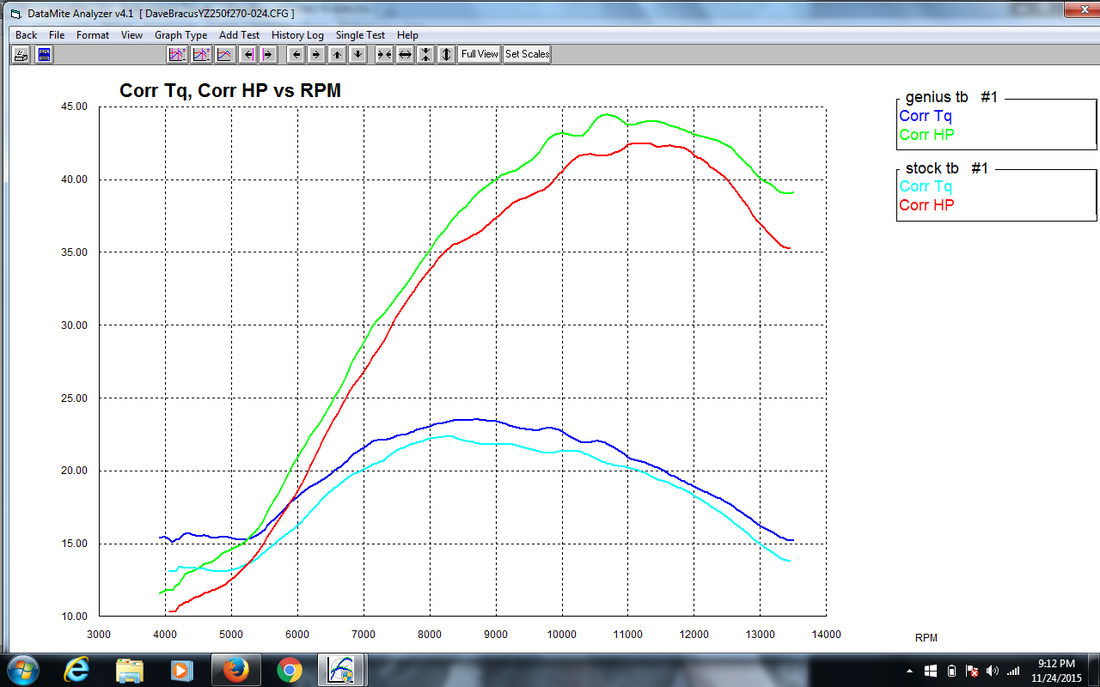
Ever wondered if swapping out your cam is really worth the hype? You've probably seen the marketing brochures boasting huge horsepower gains, but what's the real story? We're cutting through the noise and diving into actual dyno results to see how much a cam swap can truly add to your engine's performance.
The process of trying to improve your engine's horsepower often involves sifting through a lot of claims that seem too good to be true. Many enthusiasts find themselves questioning whether the advertised gains from performance parts will actually materialize when installed on their specific vehicle. Determining the genuine horsepower increase from a cam swap versus the exaggerated marketing numbers can be a complex and frustrating experience.
On average, a cam swap can add anywhere from 15 to 50 horsepower to your engine, but this range varies widely based on several factors. The specific cam you choose, the engine it's going into, and the supporting modifications you make all play crucial roles in determining the final horsepower gain. We'll explore real dyno results to provide a clearer picture of what you can realistically expect.
This article explores the real horsepower gains from cam swaps, backed by actual dyno results. We'll examine the factors influencing these gains, including cam selection, engine type, and supporting modifications. By providing a clear and data-driven analysis, this guide aims to equip you with the knowledge to make informed decisions about your engine's performance upgrades and set realistic expectations for a cam swap's impact on horsepower.
My First Cam Swap: A Learning Experience
My first experience with a cam swap was a real eye-opener. I was a young, eager gearhead, convinced that a new cam was the key to unlocking massive power in my old Mustang. I poured over catalogs, mesmerized by the advertised horsepower gains, and finally settled on what I thought was the perfect cam. Armed with a borrowed engine stand and a whole lot of optimism, I dove in.
The installation itself was a learning curve, to say the least. There were moments of triumph, like when I finally got the timing set correctly, and moments of sheer panic, like when I realized I'd forgotten to order new lifters. After a few weekends of wrenching, the moment of truth arrived. I fired up the engine, and... it sounded different, definitely more aggressive. But when I took it to the local dyno shop, the results were... underwhelming. I only gained about 20 horsepower, far less than the 50+ I was expecting. It turned out that my stock intake manifold and exhaust were choking the engine, preventing it from reaching its full potential. That's when I learned that a cam swap is just one piece of the puzzle. You need to consider the entire system to see the real gains.
The lesson I learned that day was invaluable: a cam swap is not a magic bullet. While a carefully chosen cam can significantly boost horsepower, it's essential to consider the entire engine system and make sure that all components are working together to maximize performance. The dyno results provided a clear picture of the actual gains and highlighted the importance of supporting modifications. This experience fueled my passion for understanding the science behind engine performance and sharing that knowledge with others.
Understanding Dyno Results: Beyond the Peak Number
Dyno results provide a snapshot of an engine's power output at various points in its RPM range. It's easy to get fixated on the peak horsepower number, but that's only part of the story. The shape of the dyno curve, showing how horsepower and torque change across the RPM range, is equally important. A cam that adds a lot of peak horsepower but sacrifices low-end torque might not be the best choice for a street-driven car.
Analyzing dyno results involves looking at both horsepower and torque curves. Horsepower is a measure of how quickly work is being done, while torque is a measure of the twisting force produced by the engine. A good cam will ideally increase both horsepower and torque across a wide RPM range, providing a more usable and enjoyable driving experience. Looking at dyno graphs, you'll often see "before" and "after" lines, illustrating the difference the cam swap made. Pay attention to the area under the curve, which represents the overall power increase throughout the RPM range.
Furthermore, it's important to understand the conditions under which the dyno test was performed. Factors such as temperature, humidity, and altitude can affect the results. Reputable dyno shops will correct the results to a standard set of conditions to allow for fair comparisons. When evaluating dyno results, consider the entire curve, the supporting modifications, and the testing conditions to get a comprehensive understanding of the cam swap's impact on engine performance.
The History and Myth of Cam Swaps
The concept of cam swaps dates back to the early days of the automobile, when hot rodders began experimenting with different camshaft profiles to increase engine performance. The basic principle is simple: by altering the timing and duration of the valve opening and closing events, you can change the way the engine breathes and, consequently, how much power it produces. Over the years, cam technology has evolved significantly, with advancements in materials, design, and manufacturing techniques.
One of the biggest myths surrounding cam swaps is that they are a simple, bolt-on upgrade that will instantly transform any engine into a fire-breathing monster. While a cam swap can certainly improve performance, it's not a guaranteed recipe for huge power gains. The actual horsepower increase depends on numerous factors, including the engine's original configuration, the chosen cam profile, and the supporting modifications. Another common myth is that bigger is always better when it comes to cam selection. A cam that's too aggressive for the engine's intended use can actually decrease performance and make the car difficult to drive on the street.
Historically, cam swaps were often seen as a dark art, requiring a deep understanding of engine mechanics and a lot of trial and error. However, with the advent of modern engine management systems and sophisticated dyno tuning techniques, the process has become much more refined. Today, there are numerous resources available to help enthusiasts choose the right cam and optimize their engine's performance. The key is to do your research, understand the limitations of your engine, and set realistic expectations for the outcome.
The Hidden Secrets to Maximizing Cam Swap Horsepower
While choosing the right cam is crucial, there are several hidden secrets that can significantly impact the horsepower gains from a cam swap. One often overlooked factor is the importance of matching the cam to the engine's intended use. A cam designed for high-RPM racing might not be ideal for a street-driven car that spends most of its time at lower RPMs.
Another secret is the importance of proper valve train geometry. The pushrods, rocker arms, and valve springs all play a critical role in ensuring that the valves open and close correctly. Incorrect valve train geometry can lead to reduced performance, premature wear, and even engine damage. Pay close attention to the manufacturer's recommendations for valve spring pressure and pushrod length.
Furthermore, the engine's exhaust system can have a significant impact on horsepower. A restrictive exhaust can choke the engine and prevent it from reaching its full potential. Upgrading to a high-flow exhaust system can often unlock additional horsepower after a cam swap. Finally, proper tuning is essential to maximize the benefits of a cam swap. A well-tuned engine will run more efficiently and produce more power. Consider investing in a custom dyno tune to optimize the engine's air-fuel ratio and timing.
Cam Swap Recommendations: Choosing the Right Cam for Your Needs
Selecting the right cam for your engine can be a daunting task, given the vast array of options available. Start by considering your engine's intended use and your desired driving characteristics. Do you want a cam that delivers a broad, flat torque curve for everyday driving, or are you looking for a cam that maximizes horsepower at high RPMs for racing? Once you have a clear understanding of your goals, you can begin to narrow down your choices.
Talk to experienced engine builders or camshaft manufacturers for recommendations. They can provide valuable insights based on their knowledge of different engine combinations and cam profiles. Read reviews and dyno results from other enthusiasts who have installed similar cams in their engines. This can give you a realistic idea of the expected horsepower gains and driving characteristics. Consider the engine's compression ratio and cylinder head flow when selecting a cam. A cam that's too aggressive for the engine's compression ratio can lead to poor low-end performance. Similarly, a cam that requires more airflow than the cylinder heads can provide won't deliver its full potential.
Finally, don't be afraid to ask questions and seek expert advice. A well-chosen cam can transform your engine's performance, but a poorly chosen cam can lead to disappointment and frustration. Take the time to research your options and choose a cam that's right for your needs.
The Role of Supporting Modifications: Intake, Exhaust, and Tuning
A cam swap rarely exists in isolation. The performance gains you see are heavily influenced by the supporting modifications you make to your engine. Think of it as a system: the cam, intake, exhaust, and tuning all work together to maximize power. A high-performance cam can only breathe as well as your intake and exhaust systems allow, and it needs proper tuning to run efficiently.
Upgrading your intake manifold can significantly improve airflow to the engine, allowing it to take full advantage of the cam's increased valve lift and duration. A larger throttle body can also help to increase airflow, particularly at higher RPMs. Similarly, upgrading your exhaust system to a high-flow design can reduce backpressure and allow the engine to breathe more freely. Long-tube headers are a popular choice for maximizing exhaust flow and increasing horsepower. Finally, proper tuning is essential to ensure that the engine is running optimally after a cam swap. A custom dyno tune can optimize the air-fuel ratio and timing for the new cam profile, resulting in maximum power and efficiency. Ignoring these supporting modifications can leave a significant amount of horsepower on the table. Investing in a well-matched combination of components will deliver the best possible performance gains.
Remember to budget for these supporting modifications when planning your cam swap. A cam swap alone might provide some improvement, but it's the combination of the cam and these supporting modifications that truly unlocks the engine's potential.
Tuning Tips for a Cammed Engine: Optimizing Performance and Reliability
After installing a new cam, proper tuning is essential to optimize performance and ensure the engine's reliability. A cam swap changes the engine's airflow characteristics, which affects the air-fuel ratio and timing. Tuning adjusts these parameters to match the new cam profile, maximizing power and preventing potential engine damage.
Start by verifying the engine's base timing. The camshaft manufacturer will typically provide a recommended base timing setting. Use a timing light to confirm that the timing is set correctly. Next, check the air-fuel ratio (AFR) at various RPMs and load conditions. The ideal AFR for maximum power typically ranges from 12.5:1 to
13.2:1, but this can vary depending on the engine and cam. Use a wideband O2 sensor to monitor the AFR and make adjustments to the fuel mixture as needed. Adjust the ignition timing curve to optimize performance and prevent detonation. Retarding the timing slightly at higher RPMs can often improve power and prevent engine knock.
Consider investing in a custom dyno tune. A professional tuner can use a dyno to precisely adjust the engine's air-fuel ratio and timing, resulting in maximum power and efficiency. Finally, monitor the engine's performance and make adjustments as needed. Pay attention to the engine's temperature, oil pressure, and exhaust gas temperature (EGT). If you notice any signs of overheating or detonation, adjust the tuning accordingly. Proper tuning is a crucial step in maximizing the benefits of a cam swap and ensuring the engine's long-term reliability.
Real-World Dyno Examples: Case Studies of Cam Swaps and Their HP Gains
Let's look at some real-world dyno examples to illustrate the impact of cam swaps on horsepower gains. These case studies will highlight the importance of cam selection, supporting modifications, and tuning in achieving optimal results.
Example 1: A 5.0L Mustang with a mild street cam, upgraded intake manifold, and exhaust system saw a gain of 35 horsepower and 40 lb-ft of torque. The dyno graph showed a broad, flat torque curve, making the car much more enjoyable to drive on the street. Example 2: A 350 Chevy with a more aggressive cam, ported cylinder heads, and a high-flow exhaust system saw a gain of 50 horsepower and 45 lb-ft of torque. However, the dyno graph showed a significant loss of low-end torque, making the car less drivable at low RPMs. Example 3: A
6.0L LS engine with a custom-ground cam, upgraded valve train, and a professional dyno tune saw a gain of 60 horsepower and 55 lb-ft of torque. The dyno graph showed a significant increase in both horsepower and torque across the entire RPM range.
These examples demonstrate that the actual horsepower gains from a cam swap can vary widely depending on the specific engine combination and the supporting modifications. It's essential to carefully research your options and choose a cam that's right for your needs.
Fun Facts About Camshafts: A Look at the Heart of Your Engine
Camshafts are fascinating components that play a crucial role in the performance of internal combustion engines. Here are some fun facts about camshafts that you might not know.
The first camshafts were used in ancient water-powered mills to convert rotary motion into linear motion. The shape of the camshaft lobes determines the valve timing and duration, which affects the engine's power output and fuel efficiency. Camshafts can be made from a variety of materials, including cast iron, steel, and billet aluminum. Some high-performance camshafts are coated with a special friction-reducing material to improve efficiency and reduce wear. Camshafts can be driven by a timing chain, a timing belt, or gears. The timing chain or belt connects the crankshaft to the camshaft, ensuring that the valves open and close at the correct time.
Camshaft design is a complex science that involves balancing numerous factors, including valve lift, duration, and overlap. A poorly designed camshaft can lead to reduced performance, poor fuel economy, and even engine damage. The camshaft is truly the heart of your engine, and understanding how it works can help you appreciate the complexity and ingenuity of automotive engineering.
How to Choose the Right Camshaft for Your Engine: A Step-by-Step Guide
Choosing the right camshaft for your engine can be a daunting task, but it's essential to get it right to maximize performance and reliability. Here's a step-by-step guide to help you make the right choice.
Step 1: Determine your engine's intended use. Is it a daily driver, a weekend warrior, or a dedicated race car? Step 2: Consider your engine's compression ratio and cylinder head flow. A cam that's too aggressive for the engine's compression ratio can lead to poor low-end performance. Step 3: Research different cam profiles and read reviews from other enthusiasts. Step 4: Talk to experienced engine builders or camshaft manufacturers for recommendations. Step 5: Consider the supporting modifications you'll need to make to your engine, such as upgrading the intake manifold, exhaust system, and valve train. Step 6: Set a budget for your cam swap project and stick to it. Step 7: Order your new camshaft and related components from a reputable supplier. Step 8: Have the camshaft professionally installed and tuned. Following these steps will help you choose the right camshaft for your engine and achieve your desired performance goals.
Remember, a well-chosen cam can transform your engine's performance, but a poorly chosen cam can lead to disappointment and frustration. Take your time, do your research, and choose a cam that's right for your needs.
What If You Choose the Wrong Cam? Potential Problems and Solutions
Choosing the wrong camshaft for your engine can lead to a variety of problems, ranging from poor performance to engine damage. Here's what can happen if you choose the wrong cam and how to fix it.
Poor low-end performance: A cam that's too aggressive can result in a loss of low-end torque, making the car difficult to drive at low RPMs. Rough idle: An aggressive cam can cause the engine to idle roughly and stall frequently. Detonation: A cam that increases cylinder pressure too much can lead to detonation, which can damage the engine. Valve float: A cam that requires more valve spring pressure than the engine can provide can cause valve float, which can reduce performance and damage the engine. Engine damage: In severe cases, a poorly chosen cam can lead to engine damage, such as bent valves or broken pistons.
If you experience any of these problems after installing a new cam, the first step is to diagnose the issue. Use a scan tool to check for error codes and monitor the engine's performance. If you suspect that the cam is the problem, consider consulting with an experienced engine builder or camshaft manufacturer. They can help you determine if the cam is the right choice for your engine and recommend potential solutions. In some cases, you may need to replace the cam with a more suitable option. In other cases, you may be able to fix the problem by adjusting the engine's tuning or upgrading the valve train.
Top 5 Camshafts for Horsepower Gains: A Listicle of Proven Performers
Looking for some camshaft recommendations? Here's a list of five proven performers that are known for delivering significant horsepower gains.
1. Comp Cams Xtreme Energy: These cams are designed for street performance and offer a good balance of horsepower and torque.
2. Edelbrock Performer RPM: These cams are designed for high-performance street engines and offer excellent horsepower gains at higher RPMs.
3. Holley LS Retrofit: These cams are designed specifically for LS engines and are known for their impressive power gains.
4. Lunati Voodoo: These cams are designed for aggressive street and race engines and offer maximum horsepower gains.
5. Howards Cams Rattler: These cams deliver a very choppy idle with excellent mid range power.
These are just a few of the many camshafts available on the market. When choosing a cam, be sure to consider your engine's specific needs and intended use. Talk to experienced engine builders or camshaft manufacturers for recommendations.
Question and Answer about How Much HP Does a Cam Add: Real Dyno Results (Not Marketing)
Here are some frequently asked questions about camshafts and horsepower gains:
Q: How much horsepower can I expect to gain from a cam swap?
A: On average, a cam swap can add anywhere from 15 to 50 horsepower to your engine, but this range varies widely based on several factors, including the cam selection, the engine type, and the supporting modifications.
Q: What are the most important factors to consider when choosing a camshaft?
A: The most important factors to consider when choosing a camshaft are the engine's intended use, the compression ratio, the cylinder head flow, and the supporting modifications.
Q: Do I need to tune my engine after a cam swap?
A: Yes, proper tuning is essential to optimize performance and ensure the engine's reliability after a cam swap.
Q: Can I install a camshaft myself?
A: Installing a camshaft can be a complex and challenging task. If you're not comfortable working on engines, it's best to have the camshaft professionally installed.
Conclusion of How Much HP Does a Cam Add: Real Dyno Results (Not Marketing)
Ultimately, understanding how much horsepower a cam adds requires moving beyond marketing hype and focusing on real dyno results. As we've explored, the actual gains depend on numerous factors, from the specific cam profile and engine type to the supporting modifications and tuning. By considering these elements and analyzing dyno graphs, you can make informed decisions and set realistic expectations for your engine's performance upgrades. A well-chosen cam, combined with the right supporting components and a professional tune, can significantly improve your engine's horsepower and overall driving experience.