
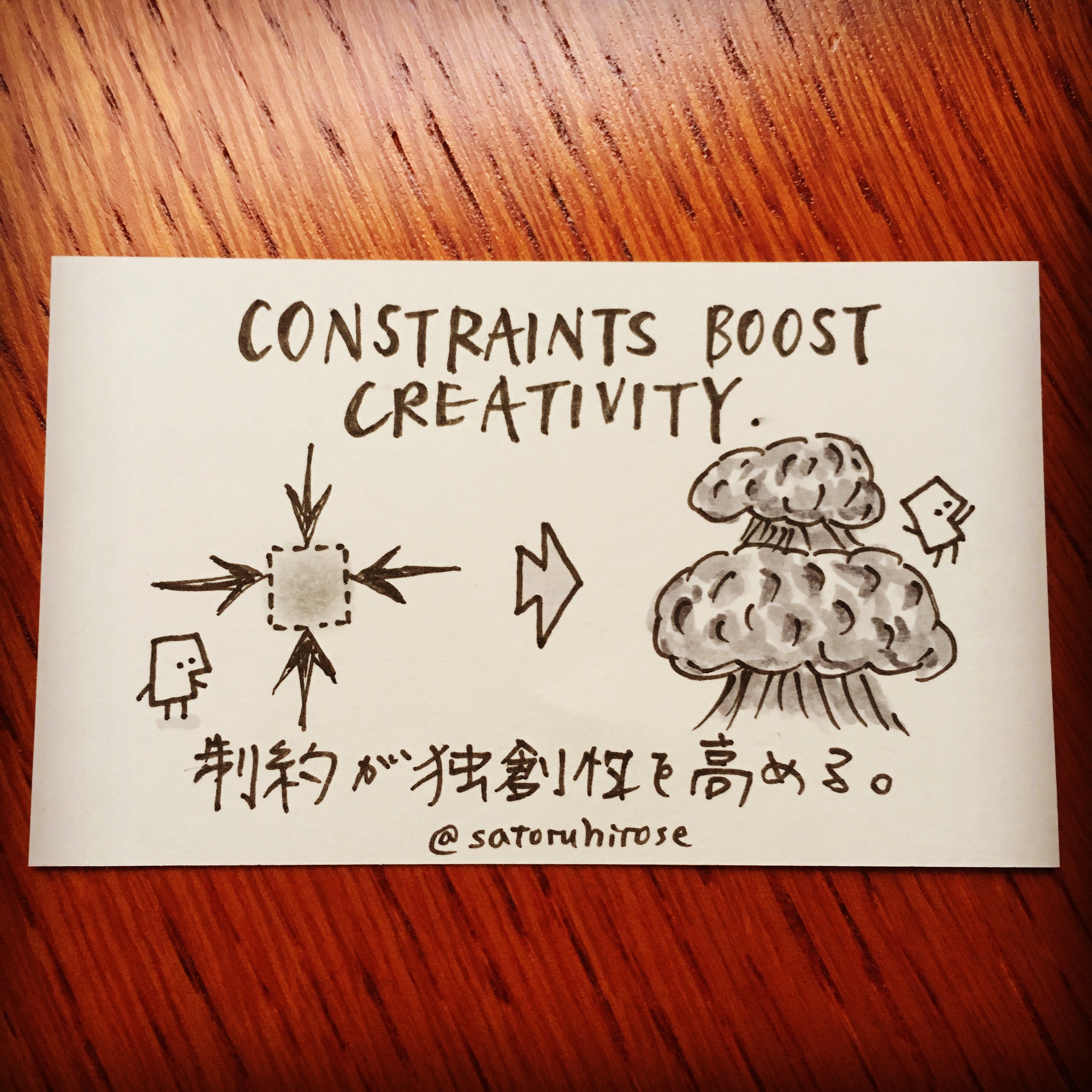
How to Use Time Constraints to Boost Creativity: Stop Waiting for Inspiration and Start Creating!
We've all been there. Staring at a blank page, a looming deadline, and a brain that feels like it's running on dial-up. Inspiration seems to have taken a permanent vacation, and the pressure mounts. You tell yourself you just needmore timeto really let your creative juices flow. But what if the secret to unlocking your creative potential isn'tmoretime, but less?
It sounds counterintuitive, right? We often associate creativity with leisurely exploration, daydreaming, and freedom from constraints. But the truth is, well-defined time constraints can be powerful catalysts for innovation. They force you to think differently, prioritize effectively, and break free from perfectionist paralysis. Think of it like this: give a child endless LEGO bricks, and they might be overwhelmed. Give them a set number and a time limit, and suddenly they're building spaceships and castles!
So, how can you harness the power of time constraints to unleash your inner creative genius? Let's dive in and explore some practical strategies.
Why Time Constraints Spark Creativity
The beauty of a ticking clock lies in its ability to circumvent some common creative roadblocks. Here are a few reasons why time constraints work: Overcoming Perfectionism:Perfectionism is the creativity killer. When you have unlimited time, it's easy to get bogged down in the details, constantly tweaking and refining until you've lost all momentum. Time constraints force you to let go of the need for everything to be perfect and embrace the "good enough" principle. Sometimes, "good enough" is actually brilliant!
Fueling Focus: Without a deadline, tasks tend to expand to fill the available time (Parkinson's Law). A defined time limit forces you to concentrate your efforts and eliminate distractions. Suddenly, social media scrolling and email checking take a backseat to the creative task at hand. You're in the zone!
Encouraging Experimentation: When time is limited, you're less likely to stick to the safe and familiar. You're more willing to take risks and try new approaches because you simply don't have time to overthink things. This can lead to unexpected breakthroughs and innovative solutions you might not have discovered otherwise.
Promoting Decision-Making: Indecision can be a major creativity killer. When you have endless possibilities and no pressure to choose, it's easy to get stuck in analysis paralysis. Time constraints force you to make decisions quickly and move forward, even if you're not 100% sure about the outcome.
Practical Ways to Implement Time Constraints
Okay, so you're convinced that time constraints can be beneficial. But how do you actually implement them in your creative process? Here are some actionable tips: The Pomodoro Technique:This classic time management method involves working in focused 25-minute intervals, separated by short breaks. After four "pomodoros," take a longer break. This structured approach can be incredibly effective for breaking down large creative tasks into manageable chunks.
Time Blocking: Schedule specific blocks of time in your day dedicated to creative work. Treat these appointments as non-negotiable. Even if you only have 30 minutes, block it out and protect it fiercely. Knowing you have a limited window will encourage you to make the most of it.
Set Micro-Deadlines: Break down larger projects into smaller sub-tasks with individual deadlines. This helps prevent overwhelm and provides a sense of progress along the way. For example, if you're writing a blog post, set deadlines for outlining, writing the first draft, editing, and adding images.
Challenge Yourself with "Creative Sprints": Dedicate a set amount of time – say, an hour or two – to generating as many ideas as possible on a specific topic. The goal is quantity over quality. Don't censor yourself; just let the ideas flow. You can then review and refine them later.
Use a Timer for Specific Tasks: If you're struggling to get started on a particular task, set a timer for 10 minutes and commit to working on it uninterrupted for that duration. You might be surprised at how much you can accomplish in a short amount of time.
Impose Self-Imposed Deadlines: Even if you don't have external deadlines, create your own. Tell a friend or colleague about your goal and ask them to hold you accountable. The social pressure can be a powerful motivator.
Examples in Action
Let's look at a few real-world examples of how time constraints can be used to boost creativity: Writing: Instead of waiting for the perfect moment to write, challenge yourself to write for 30 minutes every day. Don't worry about editing or grammar; just get the words on paper (or screen). Design: Give yourself a limited amount of time to create a mood board or initial design concept. This will force you to make quick decisions and avoid overthinking. Brainstorming: Use a timer to limit brainstorming sessions. This will encourage participants to generate ideas quickly and avoid getting bogged down in unproductive discussions. Problem-Solving: When faced with a challenging problem, set a timer for 15 minutes and brainstorm potential solutions. You might be surprised at how many creative ideas you can come up with in a short amount of time. Cooking:"Chopped," the cooking competition show, perfectly demonstrates this principle. The chefs are forced to create gourmet meals with bizarre ingredients in a limited amount of time. The results are often surprisingly creative and delicious!
How to Adjust Time Constraints for Different Creative Tasks
While the general principle remains the same, you might need to adjust the specific time constraints depending on the nature of the creative task. For example: For tasks requiring deep focus (like writing a complex piece):Use longer Pomodoro intervals (e.g., 50 minutes) with longer breaks.
For tasks that involve idea generation (like brainstorming): Use shorter bursts of time (e.g., 5-10 minutes) to encourage rapid-fire thinking.
For tasks that require experimentation (like trying a new art technique): Set a reasonable time limit that allows you to explore without feeling rushed.
Overcoming Challenges When Using Time Constraints
While time constraints are generally beneficial, they can also present some challenges: Feeling Rushed and Stressed:If you're not used to working under pressure, time constraints can initially feel stressful. Start with small, manageable time limits and gradually increase them as you become more comfortable. Remember to breathe and focus on the task at hand.
Sacrificing Quality for Speed: The goal is not to sacrifice quality for speed. It's about finding the right balance between efficiency and excellence. Don't be afraid to extend the time limit if necessary, but always be mindful of the potential for procrastination.
Getting Discouraged by Imperfect Results: Remember that the first draft is rarely perfect. Don't get discouraged if your initial efforts don't meet your expectations. The point is to get started and keep moving forward. You can always refine your work later.
People Also Ask
Here are some common questions people have about using time constraints for creativity: Q:What if I consistently fail to meet my time constraints?
A: Don't beat yourself up! Analyze why you're missing deadlines. Are your time estimates unrealistic? Are you getting distracted? Adjust your approach accordingly. Maybe break the task down into smaller steps, or find a quieter workspace. Q: Can time constraints stifle creativity if I'mtoostressed?
A: Absolutely. The key is finding the sweet spot between challenge and overwhelm. If you're feeling overly stressed, ease up on the time constraints. Start with shorter intervals and gradually increase them as you become more comfortable. Listen to your body and mind.
Final Thoughts
So, there you have it! Embracing time constraints might seem like a strange way to boost your creativity, but it can be a powerful tool for overcoming perfectionism, fueling focus, encouraging experimentation, and promoting decisive action. Give these strategies a try and see how they can help you unlock your inner creative potential. The next time you're facing a blank page, don't wait for inspiration to strike – set a timer and start creating! You might surprise yourself with what you can accomplish. Good luck!