
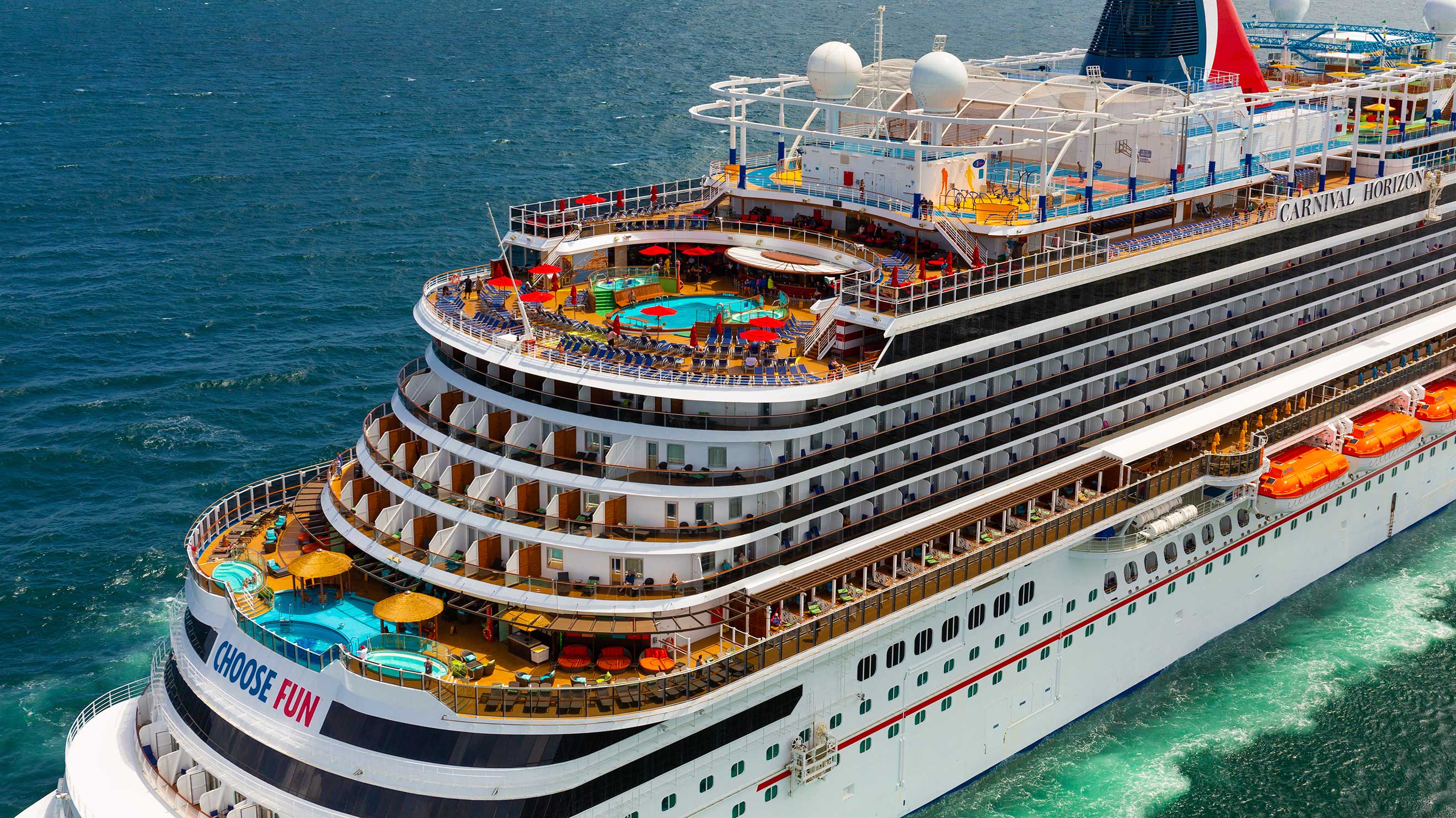
That flutter of excitement when you picture your getaway… then the wave of worry hits. Travel during pregnancy can feel like navigating a maze of "what ifs," especially when you’re planning something as big as a cruise. You’re not alone in wondering if that dream vacation is still a good idea, and how to make it safe and enjoyable for you and your little one. I remember planning our babymoon – the joy was mixed with so much anxiety about being far from my doctor!
As an expectant mom, your well-being and the health of your baby are always the top priorities, and that absolutely includes travel plans. Travel safety during pregnancy isn’t just about logistics; it's about feeling confident and relaxed, knowing you've considered the important factors and made informed decisions. Remember, a stressed momma isn't a happy momma, and you deserve to enjoy this special time. We need to consider things like access to medical care, the specific activities you'll be doing, and the policies of the cruise line itself. With a little preparation, you can set sail with peace of mind.
Before we dive into cruise line specifics, remember this: staying hydrated is your superpower! Whether you're on a plane, in a car, or lounging by the pool on a cruise, consistent hydration can combat fatigue, prevent swelling, and even help with those pesky pregnancy headaches. Keep a reusable water bottle handy, and sip throughout the day. It’s a small thing that makes a big difference.
Cruise Line Policies for Expecting Moms: Setting Sail Safely
Different cruise lines have varying policies regarding pregnant passengers, and understanding these policies is absolutely crucialbeforeyou book your trip. These policies primarily revolve around gestational age, aiming to ensure that expectant mothers don’t go into labor while at sea, far from adequate medical facilities for both mom and baby. Cruise ships do have medical staff, but they aren't equipped for complex obstetrical emergencies.
Generally speaking, most major cruise lines, including Carnival, Royal Caribbean, Norwegian, Princess, and Disney Cruise Line, willnotallow women to board if they will be 24 weeks pregnant or further along at any point during the cruise. This isn’t a hard and fast rule across the board, so always, always double-check with the specific cruise line you are considering.
This 24-week cut-off is fairly standard, but some lines might have slightly stricter or more lenient guidelines. It's also important to note that this limit is determined by your gestational ageat any point during the cruise, not just at the time of embarkation.
When booking, you’ll typically need to provide a doctor's letter confirming your due date and stating that you are fit to travel. Be prepared to present this letter at check-in as well. This is to protect you and your baby, and also to protect the cruise line from potential liability.
What information needs to be in my doctor’s letter?
A doctor's letter for cruise travel during pregnancy should, at a minimum, include:
Your estimated due date (EDD).
A statement confirming you are in good health and experiencing a normal, low-risk pregnancy.
Confirmation that you are fit to travel and participate in cruise activities.
Any specific medical needs or concerns the cruise line should be aware of.
It's also a good idea to include your doctor's contact information in case the cruise line needs to verify anything.
What if my due date changes after I book?
If your due date is adjusted after you've booked your cruise, contact the cruise line immediately. This could affect your eligibility to travel, and you'll need to provide updated documentation from your doctor. Depending on how far along you are, they may offer a refund or allow you to reschedule. Honesty is the best policy! You donotwant to risk being denied boarding.
Beyond the Policies: Planning for a Comfortable Cruise
Understanding the cruise line policies is only the first step. Making sure you’re prepared for potential discomforts and have a plan in place if you need medical assistance is essential for a relaxing cruise experience. Think about everything from the activities you’ll participate in to what you’ll do if morning sickness strikes.
One of the biggest things I learned was to beprepared. When I went on my babymoon cruise, I made sure I had plenty of ginger candies and wristbands to help with nausea, and packed extra pillows for back support.
Consider the ship's medical facilities. While they are not equipped for complicated deliveries, theycanhandle minor medical issues and provide basic care. It's wise to know where the medical center is located and what their hours are, just in case.
Don’t overschedule yourself. Plan plenty of downtime for rest and relaxation. Pregnancy fatigue is real, and you'll likely need more rest than you normally would. Choose activities that are low-impact and enjoyable. Skip the intense excursions and opt for things like gentle walks on the beach, spa treatments, or simply lounging by the pool with a good book.
What activities should I avoid while pregnant on a cruise?
While you can certainly enjoy many of the activities a cruise offers, there are some to avoid. Activities that pose a risk of falling or injury, such as watersports, strenuous hikes, or riding ATVs, should be avoided. Also, be mindful of activities that could expose you to extreme temperatures or sun exposure, such as extended periods in direct sunlight without shade or adequate hydration. It's also a good idea to skip activities where motion sickness might be a major issue.
Buffets and food safety can be tricky during pregnancy. Pay attention to how food is stored and handled. Choose freshly prepared dishes over items that have been sitting out for a long time, and avoid raw or undercooked seafood and meats.
What should I pack to stay comfortable on a cruise during pregnancy?
Packing the right items can make a huge difference in your comfort and well-being during a cruise. Consider packing these essentials:
Comfortable shoes: Swollen feet are common during pregnancy, so pack shoes that are supportive and have some give.
Loose-fitting clothing: Opt for clothing that is comfortable and breathable.
Swimsuit: If you plan to spend time by the pool or beach, pack a comfortable swimsuit.
Medications: Pack any medications you are currently taking, as well as over-the-counter remedies for common pregnancy symptoms like nausea and heartburn.
Prenatal vitamins: Don't forget to pack your prenatal vitamins!
Sunscreen and hat: Protect yourself from the sun with sunscreen and a wide-brimmed hat.
Snacks: Pack some healthy snacks to keep your energy levels up.
Comfort items: Bring any items that help you relax and feel comfortable, such as a favorite pillow or blanket.
Navigating Potential Challenges at Sea
Even with the best planning, unexpected challenges can arise. It's important to be prepared for common pregnancy-related issues that might occur while on a cruise and know how to address them.
Morning sickness, or rather,all-day sickness, can strike at any time. Be sure to pack your go-to remedies, such as ginger candies, acupressure bands, and crackers. If your nausea is severe, don't hesitate to contact the ship's medical staff for assistance.
Constipation is another common pregnancy complaint that can be exacerbated by travel. Stay hydrated, eat fiber-rich foods, and consider packing a gentle stool softener if needed.
Swelling, especially in your ankles and feet, can be a problem, particularly during long periods of sitting or standing. Elevate your feet whenever possible, wear comfortable shoes, and stay hydrated. Compression socks can also provide relief.
If you experience any concerning symptoms, such as vaginal bleeding, severe abdominal pain, or decreased fetal movement, seek medical attention immediately. The ship's medical staff is equipped to handle a variety of medical situations and can provide guidance on the best course of action.
What happens if I need medical attention while on a cruise?
If you require medical attention while on a cruise, contact the ship's medical center. The medical staff can assess your condition and provide treatment or advice. If necessary, they can also arrange for an emergency evacuation to a nearby hospital, although this can be a complex and costly process. Be sure to check your travel insurance policy to understand what medical expenses are covered.
Remember, pregnancy is a unique journey, and every woman experiences it differently. Don’t compare your experience to others, and listen to your body. If something doesn't feel right, don't hesitate to seek medical advice.
Can I get travel insurance that covers pregnancy-related issues?
Yes, you can purchase travel insurance that covers pregnancy-related issues. However, it's important to read the policy carefully to understand what is covered and what is excluded. Some policies may only cover complications of pregnancy, while others may cover routine prenatal care. Be sure to choose a policy that meets your specific needs and provides adequate coverage for potential medical expenses. Also, be aware that many policies have a "look-back" period, meaning they won't cover pre-existing conditions (like pregnancy) if they were known before you purchased the policy.
What should I do if I'm denied boarding due to pregnancy?
If you are denied boarding due to your pregnancy, remain calm and polite. Ask the cruise line representative to explain the reason for the denial and provide documentation of their policy. If you believe the denial is unjustified, you can request to speak to a supervisor or contact the cruise line's customer service department. It's also a good idea to document the incident, including the date, time, and names of the individuals you spoke with. If you have travel insurance, contact your insurance provider to see if they can assist you. The best way to avoid this situation is to double-check your eligibility with the cruise linebeforeyou travel and bring all necessary documentation.
Making Memories, Safely
Cruising while pregnant can be an amazing experience, filled with relaxation, beautiful scenery, and quality time with loved ones. By understanding cruise line policies, planning for potential challenges, and prioritizing your well-being, you can ensure a safe and enjoyable journey. I know it can feel overwhelming to juggle all the details, but remember that you’re doing this for yourself and your baby.
Focus on what youcancontrol: research your options, pack thoughtfully, and listen to your body. Trust your instincts, and don't be afraid to advocate for your needs. A cruise during pregnancy can be a wonderful opportunity to relax, reconnect, and create lasting memories before your little one arrives. Embrace the journey, and enjoy the ride!