
That little flutter of excitement when planning a trip during pregnancy? It's usually followed by a wave of "wait, is this okay?" I totally get it. Whether it’s a much-needed babymoon, a trip to see family, or even a work commitment, the thought of navigating airports, long car rides, or unfamiliar environments while pregnant can bring on a whole new level of anxiety. But with a little planning and the right information, youcantravel safely and comfortably during your pregnancy.
The truth is, ensuring your well-being and the health of your growing baby is paramount, especially when you're away from your usual support system. Getting clearance from your doctor isn't just a formality; it's about having peace of mind, knowing that you’ve addressed any potential risks specific toyourpregnancy. Your doctor will assess your individual situation – considering factors like your overall health, stage of pregnancy, and any existing complications – to provide personalized recommendations for safe and enjoyable travel. This allows you to confidently embark on your journey, knowing you’ve taken proactive steps to protect yourself and your little one.
One of the simplest things you can do to improve your comfort while traveling is to stay well-hydrated. I know, finding bathrooms on the go can be a pain, but dehydration can lead to fatigue, headaches, and even contractions. Keep a reusable water bottle handy and sip on it throughout your journey. Trust me, both you and baby will feel much better!
How to Get Travel Clearance: Your Step-by-Step Guide
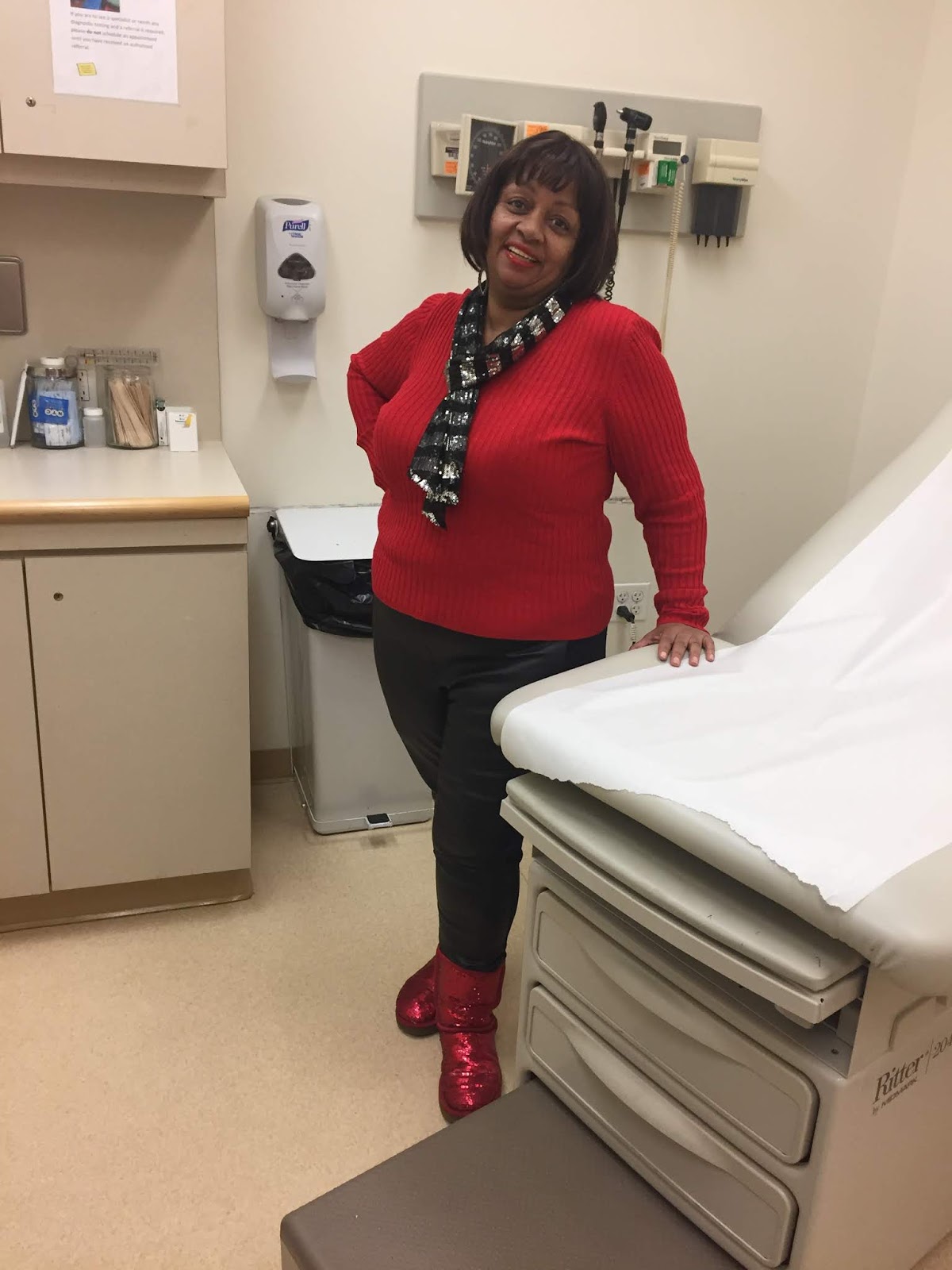
Okay, let's break down the process of getting that all-important travel clearance from your doctor. It's not as daunting as it might seem, and being prepared will make it a smooth and stress-free experience.
1. Schedule an Appointment Well in Advance: Don't wait until the last minute! Ideally, schedule an appointment with your OB-GYN or midwife a few weeks before your planned travel dates. This gives them ample time to assess your situation, address any concerns, and provide any necessary documentation or recommendations. Plus, booking early givesyoumore time to prepare and adjust your plans if needed. I’ve been there, scrambling to get things done right before a trip – it’s no fun, especially when you’re already feeling the effects of pregnancy!
2. Prepare a List of Questions and Concerns: Before your appointment, jot down any questions or worries you have about traveling while pregnant. This might include concerns about flying, potential exposure to illnesses, managing pregnancy symptoms on the go, or accessing medical care in a different location. Remember, no question is too small or silly! Your doctor is there to provide you with the information and reassurance you need. For example, you might ask
What are the specific risks associated with traveling during my current stage of pregnancy?
Are there any vaccinations or medications I should avoid before or during my trip?
What are the warning signs I should watch out for while traveling, and what steps should I take if I experience them?
Can you recommend any resources for finding reputable medical care in my destination?
3. Provide Detailed Information About Your Travel Plans: Be prepared to share specifics about your trip with your doctor. This includes your destination, dates of travel, mode of transportation (plane, car, train, etc.), and planned activities. The more information you provide, the better your doctor can assess the potential risks and offer tailored advice. This is especially important if you're traveling to a remote area, a region with known health risks, or planning to engage in strenuous activities.
4. Undergo a Thorough Medical Evaluation: During your appointment, your doctor will perform a physical exam and review your medical history to assess your overall health and pregnancy status. They may also order additional tests, such as blood work or an ultrasound, to ensure that everything is progressing normally. This evaluation is crucial for identifying any potential risks or complications that could be exacerbated by travel.
5. Obtain a Travel Clearance Letter (if needed): In some cases, your doctor may provide you with a written travel clearance letter. This letter typically states that you are fit to travel and includes relevant information about your pregnancy, such as your estimated due date and any specific medical conditions. Some airlines or travel insurance companies may require this letter, so it's always a good idea to have one on hand, even if it's not mandatory. I recommend keeping a digital copy on your phone, too!
6. Discuss Strategies for Managing Pregnancy Symptoms: Talk to your doctor about strategies for managing common pregnancy symptoms, such as nausea, fatigue, swelling, and back pain, while traveling. They can recommend safe and effective remedies, such as over-the-counter medications, compression socks, or specific exercises. They can also provide guidance on how to stay comfortable during long flights or car rides.
7. Understand Your Travel Insurance Coverage: Review your travel insurance policy to ensure that it covers pregnancy-related medical expenses and emergency situations. Pay close attention to any exclusions or limitations related to pregnancy, and consider purchasing additional coverage if necessary. It's also a good idea to carry your insurance information with you at all times during your trip. Trust me, you don’t want to be caught off guard by unexpected medical bills in a foreign country.
8. Follow Your Doctor's Recommendations: Once you've received your travel clearance and recommendations, be sure to follow them closely. This might include avoiding certain activities, taking specific medications, or making adjustments to your travel itinerary. Remember, your doctor's advice is based on your individual needs and circumstances, so it's important to take it seriously.
Addressing Common Concerns About Travel While Pregnant
Let's face it, anxieties about traveling during pregnancy are completely normal. Here are a few common concerns I often hear from other moms-to-be, along with some reassuring information:
Is flying safe during all stages of pregnancy?
Generally, flying is considered safe during pregnancy, especially in the second trimester (between 14 and 28 weeks). However, it's always best to consult with your doctor before flying, particularly if you have any underlying medical conditions or pregnancy complications. Most airlines have restrictions on flying during the later stages of pregnancy, typically after 36 weeks for single pregnancies and after 32 weeks for multiple pregnancies. This is because the risk of going into labor increases as you get closer to your due date.
During flights, remember to stay hydrated, walk around the cabin periodically to improve circulation, and wear comfortable clothing. I also recommend wearing compression socks to help prevent swelling in your legs and ankles. And don't hesitate to ask the flight attendants for assistance if you need anything.
How often should I take breaks on road trips while pregnant?
If you're planning a road trip, it's important to take frequent breaks to stretch your legs, use the restroom, and improve circulation. Aim to stop every two hours, or more often if you're experiencing discomfort. During your breaks, do some gentle stretching exercises, such as walking around, rotating your ankles, and stretching your arms and legs.
Also, be sure to wear your seatbelt at all times, and position it correctly across your hips and below your belly. Consider using a pregnancy seatbelt adjuster for added comfort and safety. And pack plenty of healthy snacks and drinks to keep your energy levels up.
What should I pack to feel comfortable while traveling?
Packing the right essentials can make a huge difference in your comfort level while traveling during pregnancy. Here are a few must-haves: Comfortable clothing: Choose loose-fitting, breathable clothing that won't restrict your movement. Supportive shoes: Wear comfortable shoes with good arch support to help prevent foot pain and swelling. Compression socks: These can help improve circulation and reduce swelling in your legs and ankles. Snacks and drinks: Pack plenty of healthy snacks and drinks to keep your energy levels up and prevent dehydration. Medications: Bring any necessary medications, including prenatal vitamins and over-the-counter remedies for common pregnancy symptoms. Comfort items: Pack a pillow, blanket, or other comfort items to help you relax on long flights or car rides. Medical information: Carry a copy of your medical records, including your prenatal records and any travel clearance letters from your doctor. Hand sanitizer and wipes: Stay hygienic and reduce your risk of exposure to germs.
Extra Tips for Safe and Enjoyable Travel
Beyond the essentials, here are a few more tips that can help you have a safer and more enjoyable travel experience while pregnant: Choose your destination wisely: Consider destinations with good medical facilities and a low risk of infectious diseases. Avoid areas with high altitudes, extreme temperatures, or strenuous activities. Avoid certain foods and drinks: Be cautious about what you eat and drink while traveling, especially in unfamiliar environments. Avoid raw or undercooked foods, unpasteurized dairy products, and tap water. Stick to bottled water or other safe beverages. Protect yourself from the sun: Wear sunscreen, a hat, and sunglasses to protect yourself from the sun's harmful rays. Pregnancy can make your skin more sensitive to the sun, increasing your risk of sunburn and melasma. Get plenty of rest: Travel can be tiring, so be sure to get plenty of rest before, during, and after your trip. Avoid overexerting yourself and take breaks when you need them. Listen to your body: Pay attention to your body's signals and don't push yourself too hard. If you're feeling tired, nauseous, or uncomfortable, take a break and rest. Stay connected: Keep in touch with your doctor and family members while you're traveling. Let them know your itinerary and provide them with contact information in case of an emergency. Be prepared for delays: Travel delays are inevitable, so be prepared to deal with them calmly and patiently. Pack extra snacks, drinks, and entertainment to help you pass the time. Consider a travel companion: If possible, travel with a partner, friend, or family member who can provide support and assistance.
Remember to prioritize your health and well-being throughout your travels. By taking these precautions and following your doctor's recommendations, you can have a safe and enjoyable trip while protecting yourself and your growing baby.
A Final Word of Encouragement
Planning a trip during pregnancy might seem a little overwhelming, but it's absolutely possible to have a safe and enjoyable experience. By taking the necessary precautions, consulting with your doctor, and listening to your body, you can confidently embark on your adventure. Don’t be afraid to adjust your plans if needed – the most important thing is your health and the health of your little one. So, go ahead and book that trip, create those memories, and enjoy this special time in your life. You’ve got this, mama!