
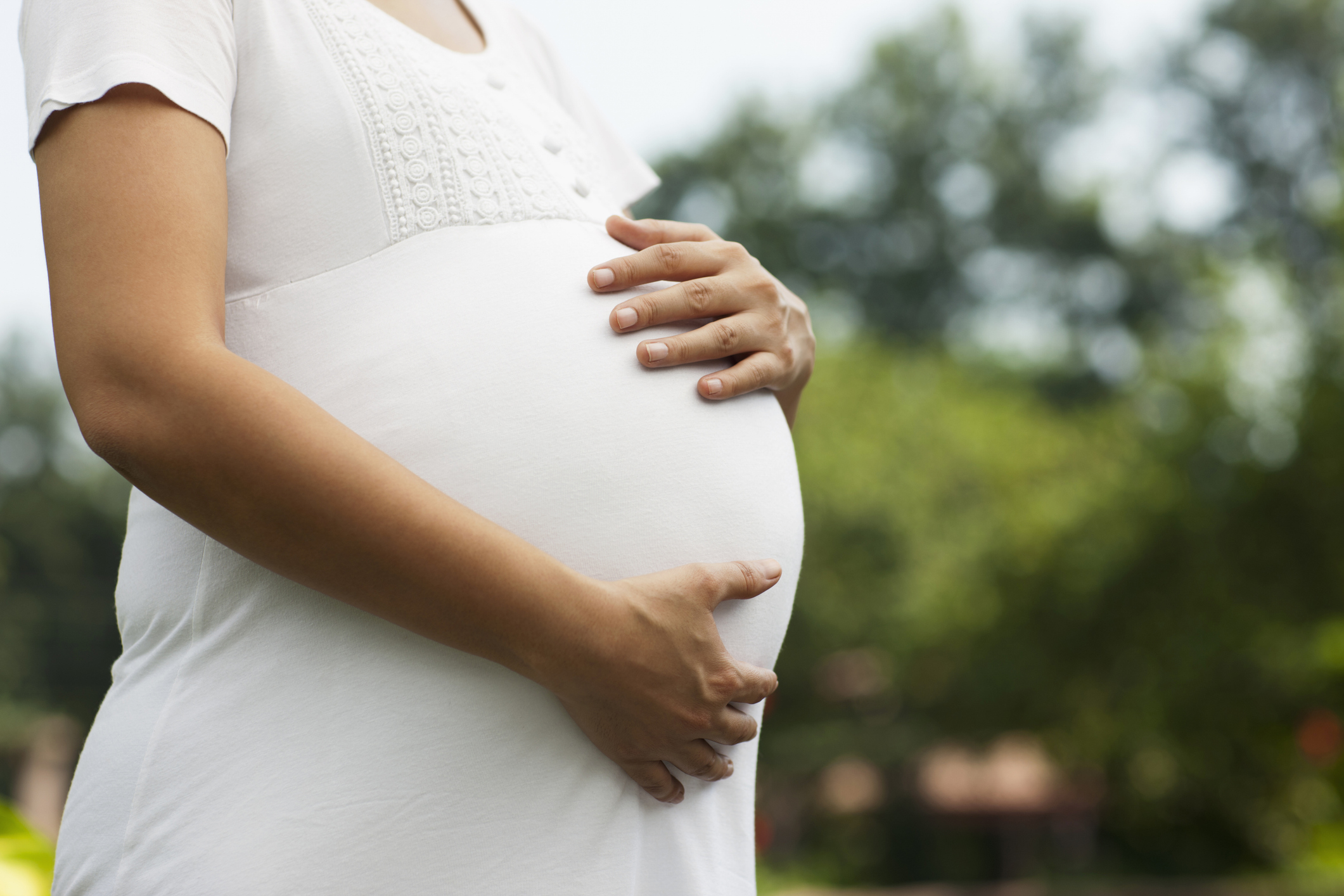
Are you dreaming of a relaxing getaway before your little one arrives, but also feeling a little anxious about traveling while pregnant? I completely get it. That mix of excitement and worry is something I remember vividly from my own pregnancies. You want to soak up the last bit of "just you" time, but suddenly everything feels a little more… complicated.
It's normal to feel a bit more cautious about travel when you're expecting. After all, you’re not just looking after yourself anymore! That precious cargo needs extra consideration, and while pregnancy is a beautiful and natural process, it does put unique demands on your body. Travel, with its potential for unexpected delays, different foods, and altered routines, can add to that stress. But don't let that deter you from your babymoon dreams! With a little planning and these safety tips, you can absolutely enjoy a safe and memorable trip.
One simple but crucial tip I always tell my expecting mamas? Stay hydrated! Dehydration can lead to all sorts of uncomfortable symptoms during pregnancy, like headaches, dizziness, and even Braxton Hicks contractions. When you're traveling, it's easy to forget to drink enough water. Pack a reusable water bottle and keep it filled. If you're flying, remember that the air on planes is very dry, so you'll need to drink even more than usual. And don’t forget to factor in extra fluids if you’re in a hot climate!
Pregnant and Planning a Babymoon? Safety Tips to Follow
Okay, so you've decided to go for it! A babymoon is an amazing opportunity to connect with your partner, relax, and prepare yourselves mentally for the adventure of parenthood. But before you pack your bags, let's dive into some important safety considerations to ensure your trip is as smooth and stress-free as possible. These babymoon safety tips will give you more confidence.
Before You Book: Talking to Your Doctor
This is always my first piece of advice: chat with your doctor or midwife before booking any travel, especially if you have any underlying health conditions or have experienced complications in previous pregnancies. They can assess your individual risk factors and provide personalized recommendations. Don't just rely on general information online; your healthcare provider knows your specific situation best. They can confirm that travel is safe for you, advise on any necessary precautions, and even provide a letter for airlines if needed.
Choosing the Right Destination
Think carefully about where you want to go. Now is not the time for extreme adventures or destinations with questionable healthcare facilities. Opt for places that are easily accessible, have good medical infrastructure, and offer opportunities for relaxation. Consider factors like the Zika virus risk (especially if you’re planning on conceiving again), altitude, and food safety. A relaxing beach vacation, a cozy cabin in the mountains (at a lower altitude!), or a charming European city are all great options.
Is flying safe during all stages of pregnancy?
Generally, flying is considered safe during pregnancy, especially in the second trimester. Most airlines allow pregnant women to fly until around 36 weeks. However, it's always best to check with the specific airline for their policies. The first trimester can be tiring and nausea-inducing, while the third trimester comes with its own set of discomforts. The second trimester is often considered the sweet spot for travel. Talk to your doctor, who may advise against travel if you have specific medical concerns.
On the Road Again: Road Trip Pregnancy Tips
If you're opting for a road trip, planning is key! Long hours in the car can be uncomfortable, so here's how to make it a comfortable experience.
Plan your route: Don't try to cram too much driving into one day. Break up the journey into smaller segments, allowing for frequent stops to stretch your legs, use the restroom, and grab a healthy snack.
Comfort is king: Make sure you’re comfortable in the car! Use cushions or pillows for lumbar support, and wear loose, comfortable clothing. Consider compression socks to help improve circulation and prevent swelling in your legs and feet.
Stay hydrated and fueled: Pack plenty of water and healthy snacks like fruits, vegetables, nuts, and yogurt. Avoid sugary drinks and processed foods, which can lead to energy crashes and discomfort.
Seatbelt safety: Always wear your seatbelt! The lap belt should be positioned low and snug across your hips, below your belly. The shoulder strap should cross between your breasts and to the side of your belly.
How often should I take breaks on road trips while pregnant?
Aim to take a break every one to two hours to stretch your legs and improve circulation. Prolonged sitting can increase the risk of blood clots, which is already slightly elevated during pregnancy. Get out of the car, walk around for a few minutes, and do some gentle stretches. This will help to prevent stiffness, swelling, and discomfort.
Taking to the Skies: Flying During Pregnancy
Flying during pregnancy requires a little extra planning and consideration. Here's how to make your flight as comfortable and safe as possible.
Choose your seat wisely: Opt for an aisle seat so you can easily get up and move around. This is especially important for preventing blood clots.
Compression socks are your friend: As mentioned above, compression socks are a must-have for flying! They help to improve circulation and reduce the risk of swelling in your legs and feet.
Stay hydrated: The air on planes is notoriously dry, so drink plenty of water throughout your flight. Avoid sugary drinks and caffeinated beverages, which can dehydrate you.
Move around frequently: Get up and walk around the cabin every hour or so. If you can't get up, do some ankle rotations and calf raises in your seat to improve circulation.
Pack smart: Keep essential items like medications, snacks, and a change of clothes in your carry-on bag.
Dealing with Common Travel Discomforts
Pregnancy can bring its own set of discomforts, and travel can sometimes exacerbate them. Here's how to manage some common issues: Nausea:If you're prone to morning sickness, pack ginger candies, crackers, or acupressure bands. Avoid heavy meals and eat small, frequent snacks.
Swelling: Elevate your feet whenever possible and wear compression socks. Avoid salty foods, which can worsen swelling.
Back pain: Use a lumbar support pillow or rolled-up towel to support your lower back. Practice good posture and avoid lifting heavy objects.
Constipation: Drink plenty of water and eat fiber-rich foods like fruits, vegetables, and whole grains.
What should I pack to feel comfortable while traveling?
Comfort is key! Pack loose, comfortable clothing, supportive shoes, compression socks, a travel pillow, a blanket, and any medications or supplements you need. Don't forget your prenatal vitamins! Also, be sure to bring any documentation your doctor recommends, like a copy of your medical records or a letter stating that you’re safe to travel. Consider packing a small first-aid kit with essentials like pain relievers, bandages, and antiseptic wipes.
Travel Insurance: Peace of Mind
Before you go, make sure you have adequate travel insurance that covers pregnancy-related complications. Check the policy carefully to ensure it covers any potential medical expenses, trip cancellations, or delays. Knowing that you're covered in case of an emergency can provide invaluable peace of mind.
Staying Safe in Your Third Trimester
If you're traveling in your third trimester, there are a few additional considerations.
Proximity to healthcare: Choose destinations that are close to reputable hospitals or medical facilities. In case of an emergency, you'll want to be able to access medical care quickly.
Be aware of airline restrictions: Many airlines have restrictions on flying during the late stages of pregnancy. Check with the airline well in advance of your trip to ensure you meet their requirements. You may need a letter from your doctor stating that you're fit to fly.
Listen to your body: Don't push yourself too hard. Take frequent breaks and rest when you need to. If you experience any concerning symptoms, such as contractions, bleeding, or decreased fetal movement, seek medical attention immediately. Consider your birth plan: It might seem early, but think about your birth plan in case of premature labor. Know what to expect and have a copy with you.
Final Thoughts
Planning a babymoon is a wonderful way to celebrate your pregnancy and create lasting memories. By following these safety tips and listening to your body, you can enjoy a safe, relaxing, and unforgettable trip. Remember, you’ve got this, mama! Soak up the sun, enjoy the delicious food, and savor this special time with your partner. Your little one will be here before you know it.