
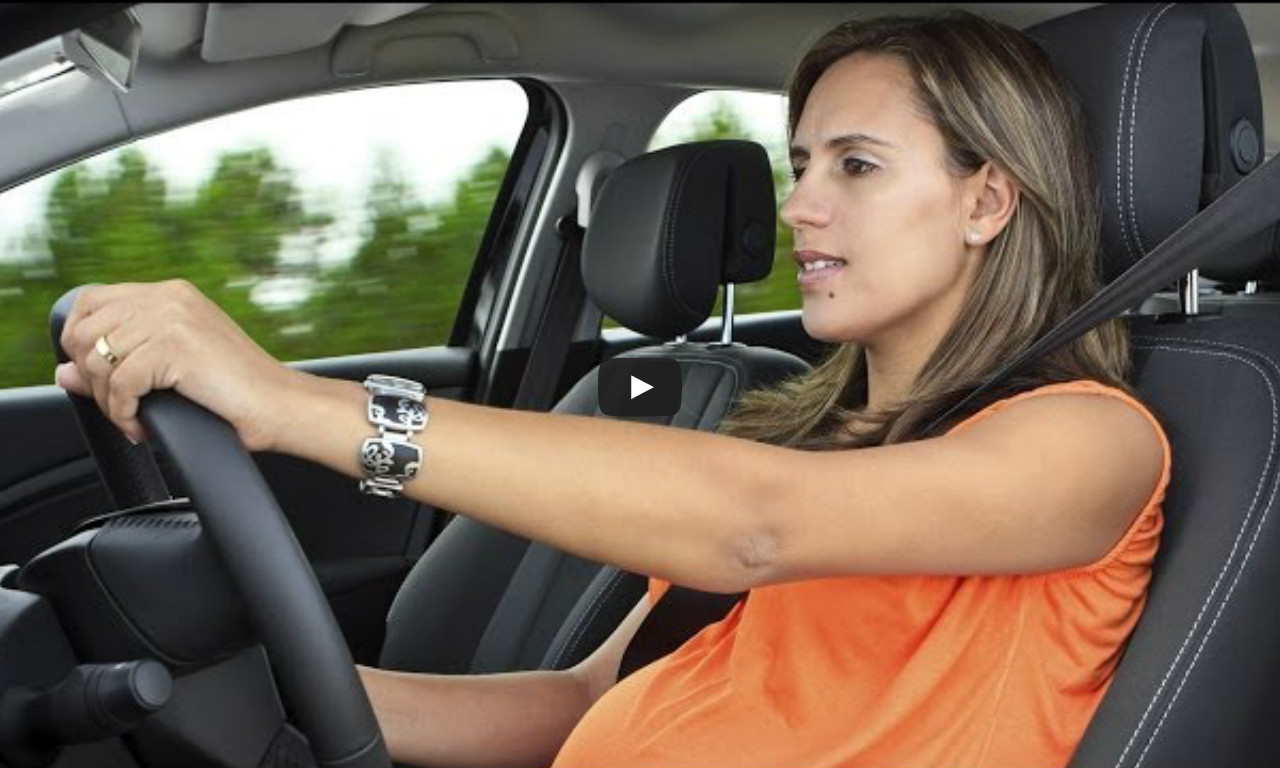
That little flutter of excitement when you book a trip during pregnancy is so real! You’re imagining the relaxation, the change of scenery, maybe even a last hurrah "babymoon" before your little one arrives. But I also get it – there's that little nagging worry in the back of your mind: Is this safe? What if something happens while I’m away from home? You're not alone, mama. I felt the same way, and a little planning goes a long way in easing those anxieties.
Traveling while pregnant definitely requires a bit more thought than your pre-pregnancy adventures. As a certified maternal health educator (and a mom who has logged countless miles on planes and in cars with a growing belly!), I want to reassure you that with a few precautions, you can absolutely enjoy your trip. Pregnancy brings about so many beautiful changes, but also some physical vulnerabilities. Our blood volume increases, our center of gravity shifts, and our ligaments loosen – all of which can impact how we handle travel situations. So, let’s focus on equipping you with the knowledge and simple strategies to keep you (and baby!) safe and comfortable on the road.
One of the simplest, yet most vital, travel tips is to stay incredibly well-hydrated. Dehydration can lead to all sorts of uncomfortable pregnancy symptoms, from headaches and dizziness to Braxton Hicks contractions. Pack a reusable water bottle and keep it filled throughout your journey. It’s amazing how much better you’ll feel just by staying on top of your water intake.
Roadside Rest Stops: Safety Tips for Expecting Moms
Road trips can be a fantastic way to travel, especially if you want more control over your schedule and stops. But spending hours in the car, even in a comfortable one, presents some unique challenges for pregnant women. Roadside rest stops become a crucial part of your journey, offering a chance to stretch, use the restroom, and recharge. However, it’s essential to prioritize your safety and well-being while utilizing these facilities.
Let’s dive into some specific tips to ensure your roadside rest stop experiences are safe and stress-free: Plan Your Stops in Advance:Don’t just wing it! Before you even leave home, take a look at your route and identify the rest stops you’d like to use. Many state DOT websites offer detailed information about rest stop locations, amenities (like family restrooms or picnic areas), and even reviews from other travelers. Knowing where you’re going and what to expect can significantly reduce anxiety, especially in unfamiliar areas. I always felt better knowing I had a planned rest stop within an hour or two, no matter where I was driving.
Trust Your Gut: This is huge! If a rest stop feels unsafe or deserted, don’t hesitate to skip it and drive on to the next one. Listen to your intuition. Look for well-lit areas with plenty of other travelers around. If something feels off, it probably is. Never feel pressured to stop somewhere you're not comfortable.
Buddy Up When Possible: If you're traveling with a partner or family member, always go to the restroom or stretch your legs together. There’s safety in numbers. If you’re traveling solo, let someone know your itinerary and check in regularly. Share your location with a trusted contact, too.
Be Aware of Your Surroundings: This is just good common sense, pregnant or not. Pay attention to who’s around you, and avoid distractions like your phone while walking to and from your car. Keep your keys in your hand, ready to use if needed. Park in a well-lit area close to the rest stop building.
Lock Your Car Doors: This might seem obvious, but it’s a crucial safety measure. Always lock your car doors, even when you’re just stepping out for a few minutes to use the restroom. Don’t leave valuables in plain sight inside your vehicle. A small investment in a steering wheel lock can also provide extra peace of mind.
Stay Hydrated and Nourished: I know I mentioned hydration earlier, but it's so important that it's worth repeating in the context of rest stops. Pack plenty of water and healthy snacks to keep your energy levels up and prevent nausea. Rest stops often have vending machines, but the options aren’t always the healthiest.
Take Advantage of Amenities: Rest stops are there for a reason! Use the restrooms, stretch your legs, and take a few deep breaths of fresh air. Some rest stops even have walking trails or picnic areas where you can relax and enjoy the scenery. Don’t feel rushed; take your time and prioritize your comfort.
Keep Hand Sanitizer and Wipes Handy: Rest stop restrooms can sometimes be less than sparkling clean. Pack hand sanitizer and disinfecting wipes to keep your hands clean and prevent the spread of germs. Pregnancy can weaken your immune system, making you more susceptible to illness.
Consider a Travel Companion (If Possible): If you're embarking on a long solo road trip, explore the possibility of having a friend or family member accompany you for at least part of the journey. Having someone else to share the driving and offer support can make a world of difference, especially in the later stages of pregnancy.
Emergency Preparedness: Make sure you have a well-stocked emergency kit in your car, including a first-aid kit, jumper cables, a flashlight, and a blanket. Program emergency numbers into your phone, and be familiar with the location of the nearest hospitals along your route. It's always better to be over-prepared than under-prepared.
Is flying safe during all stages of pregnancy?
Generally, flying is considered safe during pregnancy, especially in the second trimester. However, it’s always best to consult with your doctor or midwife before flying, particularly if you have any underlying health conditions or pregnancy complications. Most airlines allow pregnant women to fly up to 36 weeks of gestation for domestic flights and 34 weeks for international flights. After that point, you may need a doctor's note to fly. The biggest concerns with flying are exposure to radiation at higher altitudes (though the risk is minimal for occasional flights) and the risk of blood clots due to prolonged sitting. Compression socks and frequent movement can help mitigate this risk. And remember to stay hydrated!
How often should I take breaks on road trips while pregnant?
Aim to take a break every 1-2 hours on road trips. This allows you to stretch your legs, use the restroom, and improve circulation. Sitting for long periods can increase the risk of blood clots and exacerbate swelling in your legs and feet. Short, frequent breaks are much more beneficial than fewer, longer ones. Use your rest stops wisely!
What should I pack to feel comfortable while traveling?
Comfort is key! Here’s a checklist to get you started: Comfortable clothing: Loose-fitting, breathable fabrics are your best friend. Supportive shoes: Avoid heels and opt for comfortable sneakers or walking shoes. Compression socks: These can help prevent swelling and improve circulation. A pregnancy pillow: This can provide extra support for your back and belly. Healthy snacks: Pack things like fruit, nuts, and granola bars to keep your energy levels up. Plenty of water: Staying hydrated is crucial. Medications: Bring any necessary medications, along with a copy of your prescription. Entertainment: Books, podcasts, or music can help pass the time. Travel documents: Make sure you have your driver's license, insurance information, and any necessary medical records. Hand sanitizer and disinfecting wipes: To keep your hands clean and prevent the spread of germs.
Safe Travel in the Third Trimester: Extra Precautions
As you enter the third trimester, your body is going through significant changes, and travel requires even more careful planning. While many women travel safely during this time, it's crucial to be aware of the increased risks and take extra precautions.
Doctor's Approval is Essential: Before making any travel plans in your third trimester, have a thorough discussion with your healthcare provider. They can assess your individual situation and advise you on whether travel is safe for you and your baby. They might also offer specific recommendations based on your medical history and pregnancy progress. Don't assume it's okay without getting the green light from your doctor.
Consider Proximity to Medical Care: When choosing your destination, think about the availability of quality medical care. Research the hospitals and clinics in the area and make sure they are equipped to handle any potential pregnancy-related complications. In the event of an emergency, you'll want to know that you can access timely and appropriate medical attention.
Travel Insurance is a Must: Make sure your travel insurance policy covers pregnancy-related medical expenses, including premature labor and delivery. Read the fine print carefully to understand the coverage limits and exclusions. A comprehensive travel insurance policy can provide peace of mind and protect you financially in case of unexpected events.
Plan for Flexibility: Be prepared to adjust your travel plans if necessary. Pregnancy can be unpredictable, and you might need to cancel or postpone your trip due to unforeseen circumstances. Choose accommodations and transportation options that allow for flexibility and offer refunds or changes without penalties. It’s always better to err on the side of caution and prioritize your health and well-being.
Know the Signs of Labor: Familiarize yourself with the signs of labor and preterm labor. If you experience any of these symptoms while traveling, seek medical attention immediately. Common signs of labor include regular contractions, ruptured membranes (water breaking), and vaginal bleeding. Preterm labor can present with similar symptoms, as well as back pain, pelvic pressure, and increased vaginal discharge.
Share Your Itinerary with Someone: Inform a trusted friend or family member of your travel plans, including your itinerary, contact information, and expected return date. Check in with them regularly to let them know you're safe and well. In the event of an emergency, they can provide assistance and communicate with your healthcare providers.
Pack Your Prenatal Records: Carry a copy of your prenatal records with you, including your medical history, lab results, and ultrasound reports. This information can be invaluable if you need to seek medical care while traveling. Keep your records in a safe and easily accessible location.
Flying During Pregnancy: More Tips for a Smooth Trip
If your travel involves flying, there are additional considerations to keep in mind: Choose Your Seat Wisely:Opt for an aisle seat to make it easier to get up and move around. Frequent movement is essential to prevent blood clots and swelling. The aisle seat also allows you easier access to the restroom, which you'll likely need more often during pregnancy.
Wear Compression Socks: Compression socks can help improve circulation and reduce swelling in your legs and feet. Put them on before you board the plane and wear them throughout the flight.
Stay Hydrated: Drink plenty of water to combat the dehydrating effects of cabin air. Avoid sugary drinks and caffeine, which can worsen dehydration.
Move Around Regularly: Get up and walk around the cabin every hour or so. If you can't get up, do some simple stretches and ankle rotations in your seat.
Buckle Your Seatbelt Properly: Fasten your seatbelt low and across your hips, below your belly. This will protect you and your baby in case of turbulence.
Inform the Flight Attendant of Your Pregnancy: Let the flight attendant know that you're pregnant. They can offer assistance if needed and be aware of your situation in case of an emergency.
Avoid Gas-Producing Foods: Skip the beans and broccoli before your flight! Gas can expand at higher altitudes, causing discomfort.
Consider a Doctor's Note: If you're flying in your third trimester, it's a good idea to carry a doctor's note stating your due date and confirming that you're fit to fly. Some airlines may require this, especially if you're visibly pregnant.
Traveling during pregnancy can be a wonderful experience, a chance to relax, recharge, and create lasting memories. By taking the necessary precautions and prioritizing your health and well-being, you can enjoy a safe and comfortable trip. Remember to listen to your body, trust your instincts, and don't hesitate to ask for help when you need it. You've got this, mama. Enjoy your journey!