
Oh, the thought of traveling while pregnant can feel… complicated, right? Whether you’re dreaming of a relaxing babymoon, visiting family, or even facing a necessary work trip, the added weight of pregnancy hormones (and, well, actual weight!) can turn travel planning into a source of stress instead of excitement. Between packing strategically and worrying about comfort and safety, it's easy to feel overwhelmed before you even leave the house.
But here's the thing: travelcanbe enjoyable and safe during pregnancy with a little preparation. It's not just about minimizing discomfort; it’s about prioritizing your well-being and the health of your growing baby. As a maternal health educatoranda mom who's navigated a few journeys with a baby bump, I understand the unique needs and concerns that arise. Understanding the potential risks and taking proactive steps can make all the difference, allowing you to focus on the joy of the experience instead of the anxieties.
One of the simplest, yet most impactful, things you can do to reduce travel stress is to stay incredibly hydrated. Dehydration can lead to contractions, dizziness, and increased fatigue, all things you definitely want to avoid on the road or in the air. Carry a large, refillable water bottle, and sip consistently throughout your journey. Trust me, frequent bathroom breaks are a small price to pay for feeling good and keeping everything running smoothly!
Stress-Free Travel Planning Tips for Pregnancy
Okay, let's dive into some tried-and-true strategies for making your travels as smooth and comfortable as possible. I’ll share what I learned from my own pregnancies and from working with other expectant moms, so you can feel confident and prepared for your next adventure.
Before You Go: The Pre-Trip Checklist
The key to stress-free travel really lies in the preparation. This isn't just about packing your bags; it's about considering every aspect of your trip through the lens of pregnancy.
Consult Your Doctor: This is always the first and most important step. Schedule a visit with your OB/GYN to discuss your travel plans, any potential risks based on your medical history, and to get their approval. They can also provide valuable insights into any specific precautions you should take, depending on your destination and trimester. Don’t skip this step!
Research Medical Facilities: Before you leave, research the location of hospitals and medical facilities along your route or at your destination. Knowing where to go in case of an emergency can provide immense peace of mind. Keep a list of these facilities, along with their contact information, easily accessible (both digitally and printed out – you never know when you’ll lose cell service).
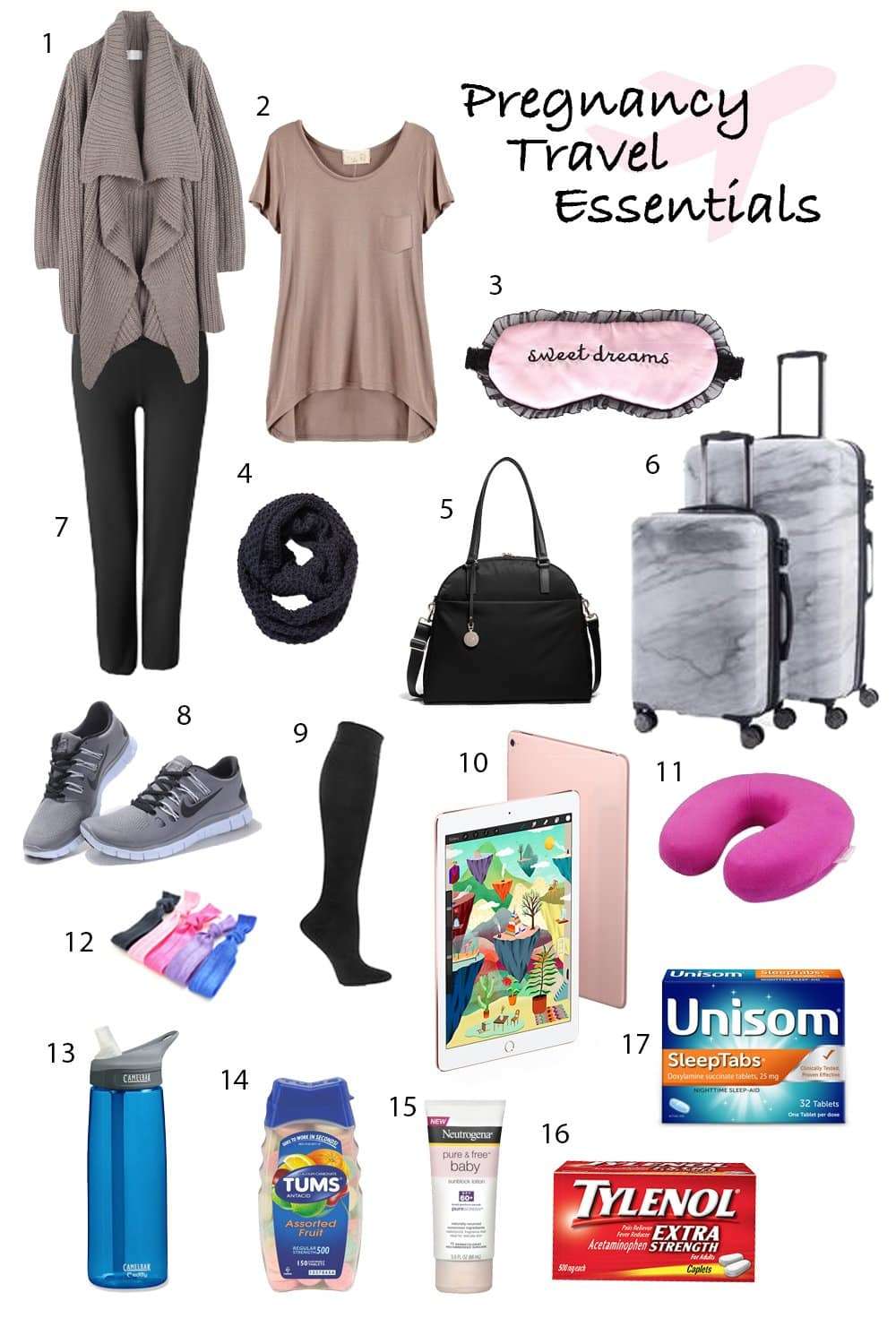
Pack Smart: Pack a comprehensive travel kit containing essentials like prenatal vitamins, any prescription medications, motion sickness remedies (ginger candies or wristbands can be helpful!), hand sanitizer, and comfortable shoes. Don’t forget your pregnancy pillow if you have one, and pack loose, comfortable clothing. Layers are your friend! Airports and airplanes can fluctuate wildly in temperature, so being able to adjust your clothing is key.
Travel Insurance: Ensure you have adequate travel insurance that covers pregnancy-related complications. Review the policy details carefully to understand the extent of coverage and any limitations. Some policies have restrictions on travel during the later stages of pregnancy.
Share Your Itinerary: Share your detailed travel itinerary with a family member or close friend. Include flight numbers, hotel reservations, and planned activities. This way, someone knows your whereabouts and can assist in case of an emergency.
Is flying safe during all stages of pregnancy?
Generally, flying is considered safe during pregnancy, especially in the second trimester. However, most airlines have restrictions on flying during the later weeks of pregnancy (typically after 36 weeks). Always check with your airline about their specific policies. The change in cabin pressure and potential exposure to radiation are minimal and not considered harmful for most pregnant women, but it's always wise to discuss your plans with your doctor.
Making the Journey Comfortable
Once you've taken care of the pre-trip essentials, it's time to focus on making the actual journey as comfortable as possible.
Choose Your Seat Wisely: Whether you’re flying or driving, seat selection is crucial. On airplanes, opt for an aisle seat to allow for easy access to the restroom and to stretch your legs. In a car, make sure you have plenty of legroom and can adjust the seat for optimal comfort. Consider bringing a small pillow or lumbar support for your lower back.
Stay Active: Prolonged sitting can increase the risk of blood clots, especially during pregnancy. Make it a point to get up and move around frequently. On flights, walk the aisle every hour or so. On road trips, stop every two to three hours to stretch, walk, and get your blood flowing. Simple stretches can make a big difference in how you feel.
Snack Smart: Pack healthy snacks to avoid hunger pangs and maintain stable blood sugar levels. Opt for protein-rich options like nuts, yogurt, or cheese, along with fruits and vegetables. Avoid processed foods and sugary drinks, which can lead to energy crashes. Remember, a well-nourished mama is a happy mama!
Compression Socks: Wearing compression socks can help improve circulation and reduce swelling in your legs and feet, especially during long flights or drives. These are a game-changer for minimizing discomfort and preventing blood clots. I wish I had discovered these sooner in my first pregnancy!
Dress Comfortably: As I mentioned before, loose and comfortable clothing is a must. Avoid anything tight or restrictive, especially around your waist. Choose breathable fabrics that won't make you feel overheated. Think stretchy pants, flowy tops, and comfortable shoes.
How often should I take breaks on road trips while pregnant?
As a general rule, aim to take a break every two to three hours during road trips while pregnant. Use these breaks to stretch, walk around, use the restroom, and rehydrate. Listen to your body, and don't hesitate to stop more frequently if you need to. It's better to arrive a little later than to push yourself too hard and risk feeling uncomfortable or unwell.
Specific Tips for Flying During Pregnancy
Flying while pregnant requires some extra considerations. Here are a few tips to make your flight more comfortable and safe: Inform the Flight Attendants:Let the flight attendants know that you are pregnant. This way, they can provide extra assistance if needed and be aware of your situation. They might even offer you a blanket or pillow for added comfort.
Fasten Your Seatbelt Properly: Always wear your seatbelt low across your hips, below your belly. This will protect you and your baby in case of turbulence. Ask for a seatbelt extender if needed to ensure a comfortable and secure fit.
Stay Hydrated: Airplane cabins have very low humidity, which can lead to dehydration. Drink plenty of water throughout the flight. Avoid sugary drinks and caffeine, which can dehydrate you further.
Consider an Aisle Seat: I know I mentioned this earlier, but it's worth repeating. An aisle seat allows for easy access to the restroom and the ability to get up and stretch your legs without disturbing your fellow passengers.
Motion Sickness Remedies: If you're prone to motion sickness, pack your preferred remedies. Ginger candies, wristbands, or even prescription medication (with your doctor's approval) can help alleviate nausea.
What should I pack to feel comfortable while traveling?
Here's a quick checklist of comfort essentials for pregnant travelers:
Comfortable, loose-fitting clothing
Supportive shoes
Compression socks
A travel pillow (especially for your lower back)
Healthy snacks
A refillable water bottle
Motion sickness remedies
Any medications you need
Hand sanitizer
Wipes
Lip balm (for dry airplane air)
A small bag for trash (especially helpful on road trips)
Babymoon Bliss: Making the Most of Your Getaway
A babymoon is a wonderful opportunity to relax, reconnect with your partner, and prepare for the arrival of your little one. Here are some tips for making the most of your babymoon: Choose Your Destination Wisely:Opt for a destination that offers relaxation and comfort. Avoid strenuous activities or destinations with potential health risks (such as Zika-affected areas). Consider a spa retreat, a beach vacation, or a cozy cabin in the mountains.
Prioritize Relaxation: This is your time to unwind and de-stress. Schedule plenty of downtime for naps, massages, and leisurely activities. Don't over-schedule your days.
Connect with Your Partner: Use this time to connect with your partner and talk about your hopes and dreams for the future. Enjoy romantic dinners, walks on the beach, and quiet moments together.
Capture the Memories: Take lots of photos to document this special time in your lives. These memories will be cherished for years to come.
Embrace the Slow Pace: Pregnancy is a time to slow down and appreciate the present moment. Embrace the slow pace of your babymoon and enjoy the simple pleasures of life.
Safe travel in the third trimester requires even greater caution. Always consult your doctor before traveling in the later stages of pregnancy. Be aware of the potential risks of premature labor and ensure you have access to medical care at your destination. Consider staying closer to home during this time to minimize the risks.
I hope these tips help you feel more prepared and confident about traveling during pregnancy. Remember, a little planning can go a long way in ensuring a safe and enjoyable journey. Trust your instincts, listen to your body, and don't hesitate to ask for help when you need it. Happy travels, mama! You've got this.