
- Is it just me, or does the idea of vacationing while pregnant come with a side of low-grade anxiety? Between packing that actually fits (and anticipating inevitable swelling!), worrying about finding healthy food options, and just generally feeling "off," it’s easy to let travel stresses overshadow the fun. I know how uncomfortable flights can feel, especially that pressure in your ears!
But, mama, you deserve that vacation! The goal is to feel refreshed and reconnected, not overwhelmed. A change of scenery can be incredibly beneficial for your mental and physical well-being, especially when you're growing a little human. However, it's also vital to be extra mindful of your safety and comfort when traveling during pregnancy. Your body is already working overtime, and some travel situations can add additional strain. We're going to explore one specific area – swimming – but before we do, let's address a quick tip that can helpanykind of travel: Hydration! Keep a refillable water bottle handy, and sip on it consistently throughout your journey. Dehydration can exacerbate common pregnancy discomforts like headaches, swelling, and even Braxton Hicks contractions. Now, let's dive in (pun intended!) to water safety and swimming when you're expecting.
Swimming on Vacation While Expecting: Safety Notes
Swimming can be an amazing way to stay active and feel weightless, especially when carrying that precious cargo. The water provides gentle support for your joints, can ease back pain, and offers a welcome respite from the heat. But before you cannonball into the deep end, let's talk about some essential safety considerations for swimming while pregnant.
Water Quality Matters: Pools, Oceans, and Lakes
The first thing to consider is the water itself. Is it clean and safe? Public swimming pools are generally well-maintained with chlorine or other sanitizing agents to kill harmful bacteria. However, it's still a good idea to check for posted health department ratings or ask the pool management about their cleaning protocols.
Natural bodies of water like oceans and lakes can be a bit trickier. While the ocean offers the added benefit of saltwater, which can be soothing for skin and sinuses, you need to be aware of potential pollution, algae blooms, and strong currents. Lakes can harbor bacteria like E. coli, especially after heavy rains. Check for local advisories before taking a dip.
My Real-Mom Tip: I always bring a pack of antibacterial wipes for wiping down pool chairs or anything else I might touch. It’s a small thing that gives me peace of mind.
What about hot tubs?
This is a big one! While a warm bath can be incredibly relaxing, hot tubs are generally not recommended during pregnancy, especially in the first trimester. The high temperatures can raise your core body temperature too quickly, which has been linked to neural tube defects. If you absolutely must indulge, limit your time to 10 minutes or less, keep the temperature below 100°F (37.8°C), and stay well-hydrated. However, I would personally skip them altogether and opt for a lukewarm bath instead.
Safe Swimming Strokes and Techniques
While swimming is generally low-impact, there are still some things to keep in mind regarding technique. As your pregnancy progresses, your center of gravity shifts, which can affect your balance and coordination.
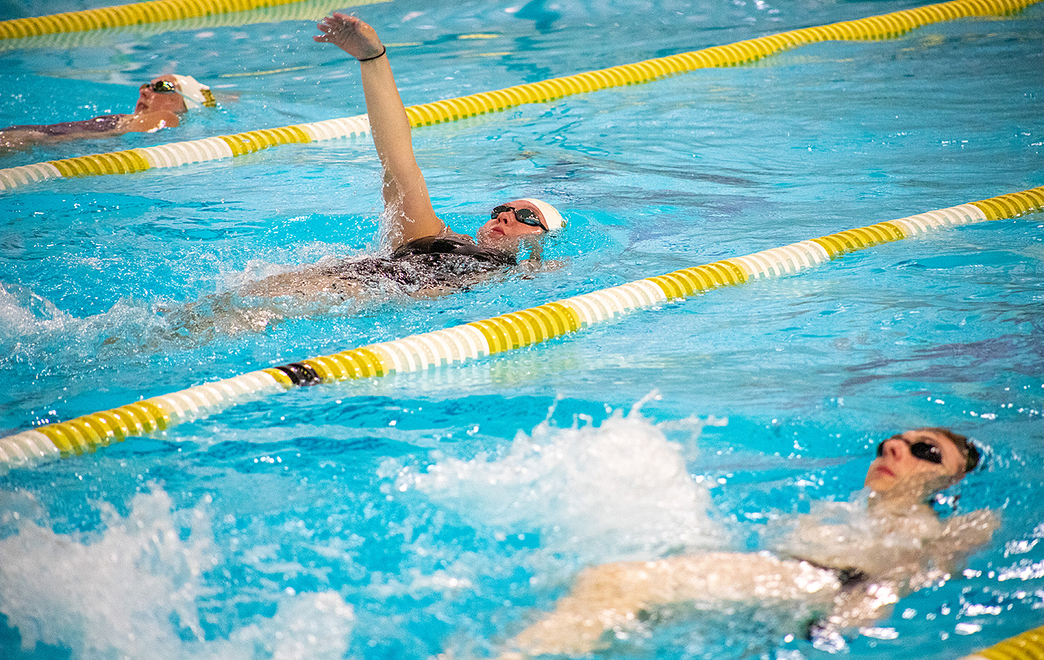
Stick to strokes that feel comfortable and don't put undue strain on your back or abdomen. The breaststroke and backstroke are often good choices. Avoid strokes that require excessive twisting or arching of your back. If you experience any pain or discomfort, stop immediately and rest. Listen to your body!
Expert Tip: If you're not a strong swimmer, consider using a flotation device like a kickboard or noodle for added support and buoyancy.
Sun Protection and Skin Sensitivity
Pregnancy can make your skin more sensitive to the sun, increasing your risk of sunburn and melasma (the "mask of pregnancy"). Apply a broad-spectrum, water-resistant sunscreen with an SPF of 30 or higher at least 30 minutes before heading outside, and reapply every two hours, or more often if you're swimming or sweating.
Wear a wide-brimmed hat and sunglasses for added protection. Consider swimming during the cooler parts of the day, such as early morning or late afternoon, to avoid the sun's peak intensity.
Real-Mom Insight: I found that I was more prone to sunburns during both of my pregnancies. I started wearing rash guards while swimming, even on cloudy days, and it made a huge difference.
Recognizing and Addressing Potential Complications
While swimming is generally safe, it's important to be aware of potential complications and know when to seek medical attention.
Dehydration: As mentioned earlier, dehydration is a major concern. Drink plenty of water before, during, and after swimming. Dizziness or Lightheadedness: This can be caused by overheating, dehydration, or low blood sugar. Get out of the water immediately and sit down in a cool, shaded area. Muscle Cramps: Pregnancy can make you more prone to muscle cramps, especially in your legs. Stretch your muscles regularly and stay hydrated. Preterm Labor: While unlikely to be caused directly by swimming, any signs of preterm labor, such as contractions, bleeding, or changes in vaginal discharge, warrant immediate medical attention. Infections:Although rare, bacteria could possibly enter the body. Consult your doctor immediately if you experience any pain or discomfort.
Is flying safe during all stages of pregnancy?
This is a common question, and the answer is generally yes, but with some caveats. Most airlines allow pregnant women to fly up to 36 weeks of gestation for uncomplicated pregnancies. However, it's always a good idea to check with your airline about their specific policies. During the third trimester, many airlines require a doctor's note confirming that you're fit to fly. Flying can increase your risk of blood clots, so wear compression stockings, stay hydrated, and get up and walk around the cabin every couple of hours. It's also wise to avoid flying to areas with Zika virus or other infectious diseases.
How often should I take breaks on road trips while pregnant?
Frequent breaks are crucial for comfort and circulation. Aim to stop every one to two hours to stretch your legs, use the restroom, and get some fresh air. Prolonged sitting can increase your risk of blood clots and swelling. During your breaks, do some gentle stretches like ankle rotations, shoulder rolls, and calf raises. Consider planning your route to include scenic stops or attractions where you can take a longer break and enjoy the scenery.
What should I pack to feel comfortable while traveling?
Comfort is key! Pack loose-fitting clothing, comfortable shoes, and compression stockings. Bring a travel pillow for neck support and a small blanket for warmth. Don't forget your prenatal vitamins, any other medications you're taking, and a copy of your medical records. Snacks are essential for preventing low blood sugar and nausea. Pack healthy options like fruits, vegetables, nuts, and whole-grain crackers. A refillable water bottle is a must for staying hydrated. Finally, pack anything that helps you relax and feel pampered, such as a good book, essential oils, or a comfortable eye mask.
Listen to Your Body and Consult Your Doctor
Above all, listen to your body. If something doesn't feel right, don't do it. Pregnancy is not the time to push yourself beyond your limits. Consult with your doctor or midwife before engaging in any new or strenuous activities, including swimming. They can provide personalized advice based on your individual health and pregnancy history.
Remember, you're doing an amazing job! Enjoy your vacation, relax, and soak up the sun (safely, of course!).